


A pond may seem calm and self-cleaning, but beneath that peaceful surface works a busy, hidden system quietly managing balance, clarity, and the entire aquatic environment.
What a Pond Filter Really Does
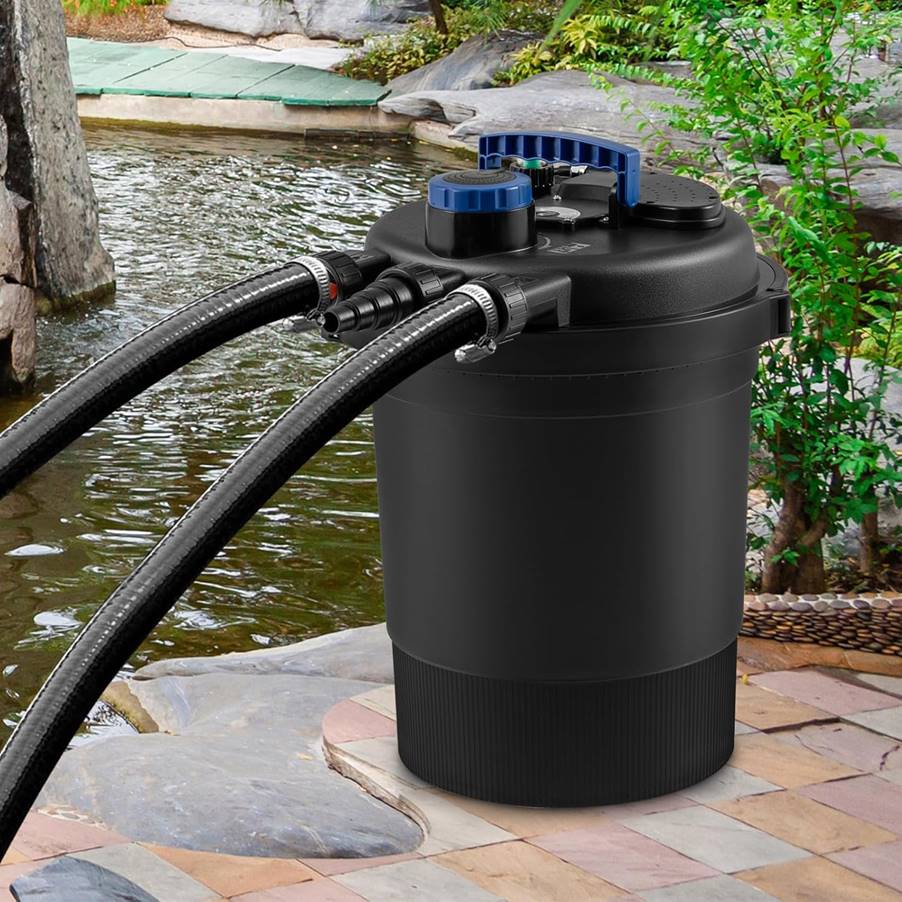
A pond filter is not just a “cleaning box.” It is more like this tiny ecosystem manager that pulls water in, deals with the mess, and sends it back healthier. A quick nod to That Pond Guy, guiding pond owners to correctly size filters and avoid common mistakes. Their advice is usually simple: go one step bigger if unsure. Honestly, it saves headaches later.
Two Core Jobs: Mechanical and Biological Filtration
Pond filtration has two main missions, and both matter equally.
1. Mechanical Filtration
It captures anything you can literally see:
- Leaves drifting in from the garden
- Bits of algae
- Fish waste and plant debris
- Random particles that make water look cloudy
Water passes through the media, trapping debris and keeping the pond clear.
2. Biological Filtration
This is where things get clever. Inside the filter media, beneficial bacteria live and multiply.
These microbes quietly:
- Break down ammonia from fish waste
- Convert ammonia to nitrite, then to nitrate.
- Reduce toxins that would otherwise stress fish
- Support overall pond stability
A natural process in which filters actively promote the growth of beneficial bacteria.
Extra Helpers: UV Clarifiers & Media Choices
Some filtration systems pack extra features that make life easier.
UV Clarifiers
They shine UV light through flowing water, helping to:
- Control green water algae
- Reduce pathogens
- Improve clarity
- Make mechanical filtration more effective
Once algae cells weaken under UV, they get caught in the filter pads instead of turning the water pea-green.
Filter Media Options
Different materials support different levels of biological activity.
Popular picks include:
- Ceramic rings
- Bio-balls
- Coarse foam
- Lava rock
- High-surface-area plastic media
The rougher the texture, the more space for bacteria.
Why Filtration Matters
A pond without proper filtration can quickly become:
- Murky
- Smelly
- High in ammonia or nitrite
- Stressful for fish
- Prone to sudden algae blooms
On the flip side, a good filtration system usually means stable water, fewer problems, and less panic during seasonal changes. Some pond owners even say they “almost forget about the pond” because it stays clear on its own.
Maintenance
Filters don’t run forever without attention.
You will need to:
- Rinse the mechanical media
- Avoid washing biological media with chlorinated tap water
- Check pumps and hoses regularly
- Watch water flow; reduced flow means cleaning time
Neglected filters often cause bigger issues than having no filter at all.
Quick Pre-Purchase Checklist
Before picking a filtration system, make sure to:
- Measure your pond’s volume honestly
- Account for fish load
- Consider systems with both mechanical + biological stages
- If you have green water, consider using a UV filter.
- Give the bacteria time to mature and colonize the media.
A little patience goes a long way. A pond is its own world, peaceful, refreshing, full of hidden processes. With the right filter supporting it, that world stays alive and sparkling. It is almost magical to watch once everything finds its balance.