

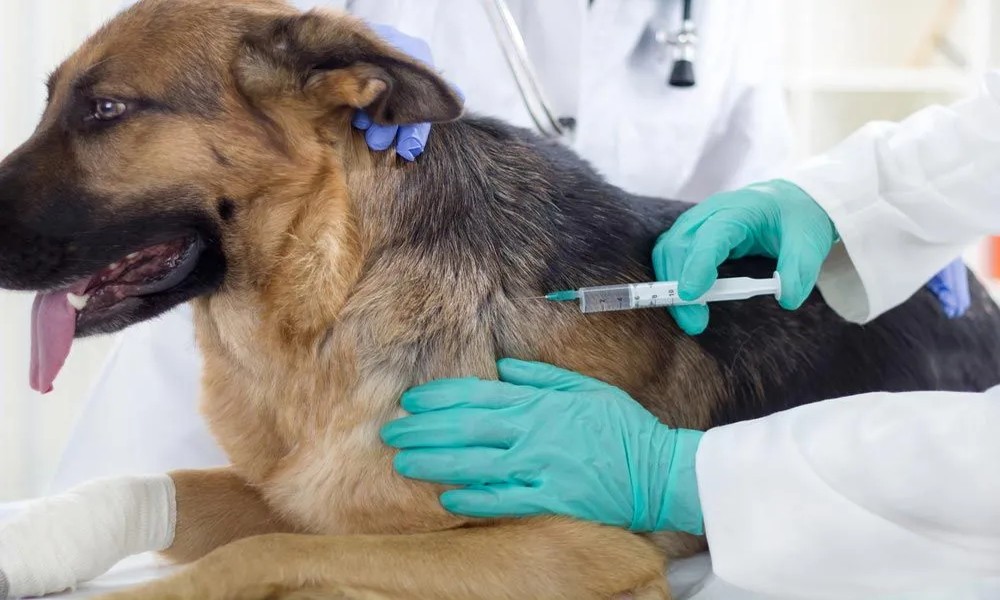
You might be feeling a quiet mix of worry and guilt every time you look at your pet’s vaccine record. Maybe a reminder card from the veterinary hospital is sitting on your counter. Maybe you are wondering if all these shots are really necessary, or if you are putting your pet through discomfort for something that feels optional. Talking with experienced veterinarians in Mason MI can help you sort through these concerns and decide what’s truly best for your pet.
At the same time, you probably know that vaccines matter. You hear about rabies, parvo, or kennel cough, but the details can feel fuzzy. You want to do the right thing, yet you are also watching your budget and your pet’s stress level. It can leave you feeling stuck between fear of disease and fear of overdoing it.
Here is the simple summary. Vaccinations are not extra. They are the foundation of modern veterinary hospital care. They protect your pet, they protect your family, and they protect other animals in your community. When done thoughtfully, on a schedule tailored to your pet, vaccines are one of the safest and most effective tools you have to prevent suffering and expensive emergencies.
So where does that leave you when you are unsure what your pet truly needs, and how often, and why the hospital keeps bringing it up?
Why do veterinary hospitals focus so much on vaccines in the first place?
To understand why pet vaccination programs sit at the center of veterinary care, it helps to picture the “before” and “after” of modern medicine. Before vaccines were common, many puppies and kittens never reached adulthood. Outbreaks of parvovirus, distemper, and panleukopenia would sweep through communities, and even the best veterinarians could do little more than try to keep animals comfortable.
Now there is an “after.” Because vaccination is a routine part of veterinary hospital visits, most pet owners never see these diseases. That success can actually create doubt. If you have never watched a dog struggle to breathe from advanced rabies or a cat waste away from panleukopenia, it is natural to question whether the risk is still real.
But the risk is still there. The viruses and bacteria did not disappear. They are simply held in check by widespread vaccination. When we stop vaccinating consistently, the door opens again.
What are you really protecting your pet from?
It might help to look at a few of the diseases your veterinary hospital is trying to prevent.
Rabies is the one many people recognize, because it affects both animals and people. It is almost always fatal once symptoms appear. The Centers for Disease Control and Prevention explains that rabies spreads through bites and that prevention relies on vaccinating pets and avoiding exposure. You can read their guidance here by visiting the CDC’s page on rabies prevention.
Other diseases are less famous but just as devastating for animals. Parvovirus causes severe vomiting, bloody diarrhea, and dehydration, especially in puppies. Treatment often means days in a hospital with intensive care. Distemper can cause nervous system damage. In cats, panleukopenia and certain respiratory viruses can leave lasting damage or be deadly, especially for kittens.
Because of this, your veterinary team does not see vaccines as “extra services.” They see them as the safety net that keeps your pet from ever getting close to these conditions in the first place.
What makes vaccine decisions feel stressful for pet owners?
Even when you agree that protection matters, there are real pressures that can make the decision feel heavy.
There is the emotional side. You might worry about side effects, or you might have heard stories from other pet owners that made you nervous. Watching your pet tremble in the exam room or whine after a shot can tug at your heart. You may wonder if you are putting them through discomfort for something they might never need.
There is also the financial side. Preventive care can feel like a lot when life is already expensive. It can be tempting to put off vaccines and hope for the best, especially if your pet seems healthy.
Then there is confusion. You may hear terms like “core” and “non core” vaccines, or different schedules for puppies, adults, and seniors. If no one has ever walked you through what each one does, it can feel like a list of mysterious charges on a bill.
So how do you move from feeling pressured or confused to feeling informed and in control?
How do veterinarians decide which vaccines your pet actually needs?
Most veterinary hospitals follow guidelines from expert groups such as the American Veterinary Medical Association. These groups review research and create schedules that balance strong protection with safety and convenience. The AVMA has a helpful overview on vaccinations for your pet, including which vaccines are considered essential for most animals.
In general, there are “core” vaccines that almost every dog or cat should receive. These protect against the most serious and widespread diseases, like rabies and parvovirus. Then there are “lifestyle” or “non-core” vaccines. These depend on where you live, whether your pet goes outdoors, boards at kennels, visits dog parks, or travels.
Your veterinarian looks at your pet’s age, health, daily routine, and environment. A mostly indoor senior cat will have a different plan than a young dog who hikes, goes to daycare, and boards frequently. This kind of tailored plan is what makes veterinary vaccinations central to good hospital care. They are not one size fits all. They are part of a long term strategy to keep your pet well.
Vaccines and emergencies: are you saving money or shifting risk?
One of the hardest truths is that skipping vaccines does not remove cost. It shifts cost from small, predictable visits to large, unpredictable emergencies.
Imagine two dogs. One stays up to date on vaccines. The other misses parvo shots as a puppy. If the second dog gets parvovirus, treatment can cost many times more than years of preventive care. There is also no guarantee of recovery. The same is true for many other preventable diseases. Even with advanced care, some animals do not survive.
So the real question is not “Do I want to pay for vaccines?” It is “Do I want to invest in prevention, or take my chances with a disease that could be far more costly in money and heartbreak?”
What are the real risks and benefits of vaccinating your pet?
It can be helpful to see the tradeoffs in a simple way.
| Decision | Short term experience | Typical risks | Long term impact on your pet | Long term impact on you and your family |
|---|---|---|---|---|
| Keep up with recommended vaccines | Brief visit to the veterinary hospital, mild soreness or tiredness for a day | Occasional mild side effects, rare allergic reactions that your vet can treat | Strong protection from serious infectious diseases, fewer emergencies | Lower risk of exposure to rabies and other zoonotic diseases, more predictable costs |
| Delay or skip vaccines | No immediate visit, less short term stress for your pet | Growing window of vulnerability to preventable diseases | Higher chance of severe illness, hospitalization, or death if exposed | Possible human exposure risk with diseases like rabies, large unexpected medical bills |
Seeing the tradeoffs laid out like this often helps people feel less torn. You are not choosing between “shots or no shots.” You are choosing between planned prevention and unplanned risk.
What can you do right now to feel more confident about your pet’s vaccines?
1. Ask your veterinarian for a simple, written vaccine plan
Instead of trying to remember everything said in a rushed appointment, ask your veterinary hospital to give you a one page schedule. It should explain which vaccines your pet needs, how often, and why each one matters based on age and lifestyle. When you know the “why” behind each shot, it feels less like a checklist and more like a shared plan for your pet’s future.
2. Talk openly about your worries, including money and side effects
You do not need to hide your concerns. If you are anxious about side effects, say so. Your veterinarian can explain what is common, what is rare, and what to watch for after a visit. If cost is tight, ask if there are ways to spread out vaccines, wellness plans, or packages that reduce surprise bills. Many hospitals would rather work with you than see your pet go without protection.
3. Prepare your pet emotionally for veterinary visits
Pets remember how they feel during visits. If every appointment is rushed and tense, they will be more fearful next time. You can help by using calm handling at home, bringing favorite treats, and asking the hospital team about gentle handling techniques. Some clinics offer “happy visits” where your pet comes in for treats and affection without any procedures. When your pet is less stressed, the whole experience of routine vaccines becomes easier for both of you.
Where do you go from here?
You care deeply about your pet, and that is why this topic feels so heavy. You are not alone in feeling torn between wanting to protect them and wanting to avoid anything that might cause them discomfort. The good news is that modern veterinary hospital care is built to support you through that tension, not to pressure you.
By asking questions, understanding what each vaccine does, and working with your veterinary team on a schedule that fits your pet’s life, you can turn a source of stress into a quiet sense of security. You will know that you took clear, thoughtful steps to shield your pet from some of the worst illnesses they could face.
Your next step is simple. Gather your pet’s records, write down your questions, and schedule a wellness visit. Use that time to build a plan you feel comfortable with. Your pet does not need perfection. They need your steady effort and informed choices, one appointment at a time.