

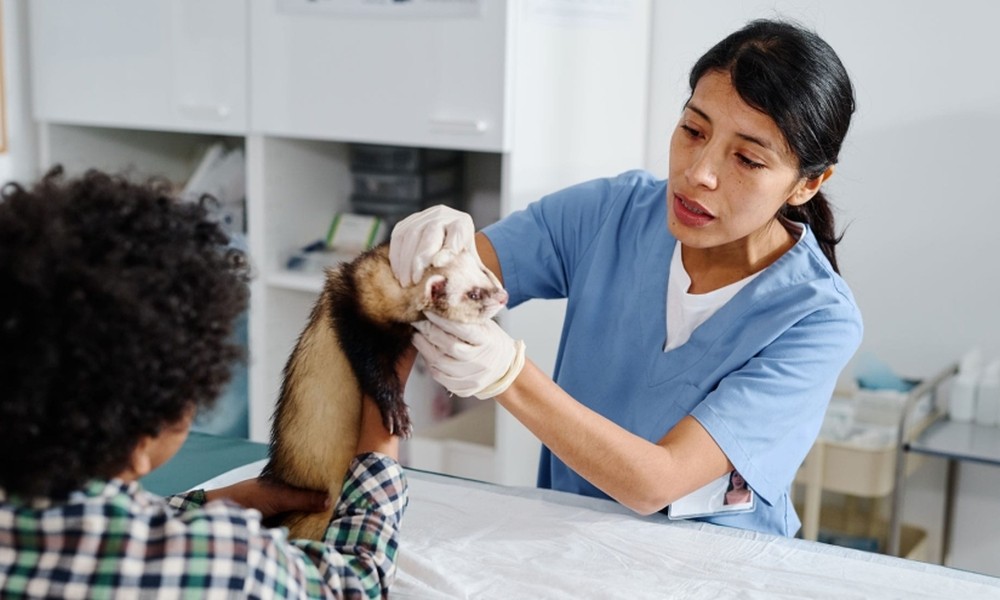
Emergencies with your pet feel chaotic and frightening. You want fast answers. You also want clear guidance from someone you trust. Your general veterinarian gives you both. During a crisis, your vet explains what is happening, what must happen next, and what you can expect. You learn which symptoms need urgent care, which can wait, and how to keep your pet safe until help arrives. You also gain support for hard choices about treatment, transport, and cost. This guidance does not replace an emergency hospital. Instead, it connects you to it. For example, a call to your regular clinic or the San Marcos veterinary center can steady your voice, focus your mind, and protect your pet’s chances. You do not face emergencies alone. You have a guide who knows your pet, knows your worries, and knows how to move from panic to a clear plan.
How Your Veterinarian Guides You In The First Minutes
The first minutes of any pet emergency feel unreal. You may freeze. You may rush. Your veterinarian helps you slow down and act with purpose.
During that first phone call, clinic staff usually follow a simple pattern.
- They ask what you see and hear
- They ask how long it has been happening
- They ask if your pet can stand, breathe, and respond
From your answers, your vet sorts the crisis into three paths.
- Call 911 or go to the nearest 24 hour emergency hospital
- Come to the clinic right away
- Watch at home with clear instructions and a set time to check back
This simple structure lowers fear. It replaces guesswork with clear steps that protect your pet’s life.
Common Emergencies And What Your Vet May Tell You
You may wonder what counts as an emergency. Federal and academic sources give clear signs. The U.S. Food and Drug Administration lists warning signs that need care without delay, such as trouble breathing, repeated vomiting, or collapse.
Your veterinarian uses signs like these when giving phone guidance. The table below shows how advice can differ.
Examples Of Symptoms And Likely Guidance From Your General Veterinarian
|
Symptom You See |
Risk Level |
Typical Guidance |
|---|---|---|
|
Mild limp after play, still eating and alert |
Lower |
Rest at home, no running, schedule exam within 24 to 48 hours |
|
One episode of soft stool, no blood, normal energy |
Lower |
Watch at home, bland food, call back if it returns or if energy drops |
|
Repeated vomiting, cannot keep water down |
High |
Bring pet in now or go to emergency hospital if clinic is closed |
|
Bloated belly with restlessness and drooling |
Very high |
Go straight to the emergency hospital, do not wait at home |
|
Hit by car but walking |
Very high |
Urgent exam right away, watch for hidden internal injury |
|
Seizure that lasts under 2 minutes, pet recovers |
High |
Same day exam, emergency visit if seizures repeat |
|
Known ingestion of human medicine or poison |
Very high |
Call clinic and a poison hotline, likely emergency visit for treatment |
This guidance protects your pet from silent damage. It also protects your family from long nights of fear and regret.
How Vets Coordinate With Emergency Hospitals
Your regular clinic and emergency hospitals work as partners. Each fills a different role. Your general veterinarian knows your pet’s health history. Your emergency team handles sudden life-threatening events.
During a crisis, your vet can
- Call the emergency hospital before you arrive
- Share recent test results and medicine lists
- Explain your pet’s past reactions to medicine or anesthesia
This simple handoff saves time. It also reduces the risk of errors during rushed care. Federal and academic programs stress this type of team care. The USDA and university partners support coordinated animal health programs. You can see an example of shared guidance at the Cornell University College of Veterinary Medicine emergency care page at Cornell Veterinary Emergency and Critical Care.
How Your Veterinarian Supports You Emotionally
Emergencies do not hurt only pets. They hit people with fear, guilt, and anger. Your veterinarian understands this emotional shock.
During your first call or visit, your vet often
- Name what is happening in clear language
- Gives honest options and likely outcomes
- Helps you weigh quality of life, time, and cost
You may need to choose between a long hospital stay, a simple comfort plan, or, in some cases, humane euthanasia. These choices feel heavy. Your vet’s role is to give facts, not pressure. Clear facts and calm words give you space to act with love, not panic.
Preparing With Your General Veterinarian Before An Emergency
You cannot predict every crisis. You can still prepare. Your general veterinarian can help you set up a simple emergency plan during routine visits.
Ask your clinic to help you
- Confirm which emergency hospital they trust and its address
- List your pet’s current medicines and allergies on one card
- Set up a payment method or pet insurance contact
You can also request clear written steps for your pet’s special risks. For example, brachycephalic dogs with short noses, pets with heart disease, or pets with diabetes face sudden trouble more often. Simple written plans for these risks can save minutes. Minutes save lives.
What You Can Do At Home While You Wait
Your veterinarian may guide you through simple care at home while you travel or wait for a ride. These steps depend on the problem.
- Keep your pet warm and quiet on a flat surface
- Use a leash or carrier to prevent sudden movement
- Follow vet instructions before giving any medicine
Never give human pain medicine without clear direction. Many common drugs cause organ damage or death in pets. Federal guidance from the FDA warns strongly against this practice. Always call first.
Why Staying Connected With Your Vet Matters
In every emergency, connection matters. You and your veterinarian share a simple goal. Protect your pet and your family from needless harm. Regular visits, honest talks, and a clear plan turn chaos into steps you can follow.
Keep your clinic’s number in your phone and on your fridge. Learn where your closest emergency hospital is located. Talk with your general veterinarian about your fears. Then, when a crisis comes, you will not feel alone. You will hear a steady voice that knows your pet and knows how to guide you through the hardest moments.