

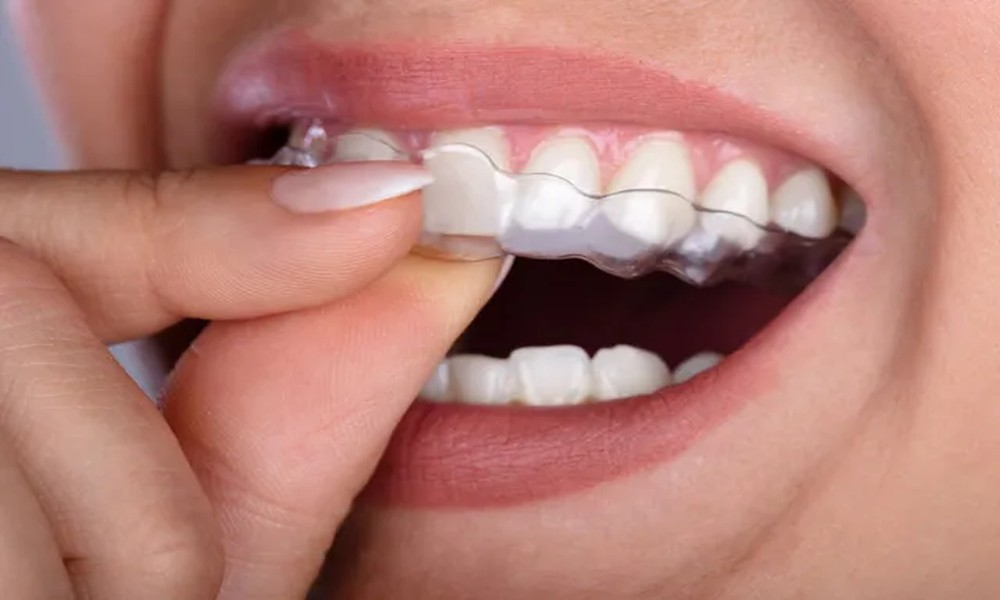
Crooked teeth can drain your confidence and strain your oral health. You might hide your smile, avoid photos, or feel a sharp stab of shame when you laugh. Clear aligners offer a quiet way to correct mild to moderate alignment problems without metal brackets or wires. These custom trays fit over your teeth and apply gentle pressure to shift them into better positions. You remove them to eat and brush. You wear them most of the day for steady progress. If you struggle with crowding, small gaps, or a slightly uneven bite, this option can bring real change. For many adults and teens, treatment fits into daily life with little disruption. If you want a straighter smile with less fuss, clear aligners in Villa Rica, GA may give you a path that feels private, controlled, and practical.
How Clear Aligners Work In Simple Steps
Clear aligners use a series of thin plastic trays. Each tray shifts your teeth a small amount. Together they guide your teeth into better positions.
- Your dentist or orthodontist checks your teeth and gums.
- They take digital scans or molds of your mouth.
- Special software plans each step of movement.
- You receive a set of trays that you change on a set schedule.
You wear each tray for most of the day. You remove them only for eating, drinking anything except water, and brushing. This routine keeps your teeth moving in the planned direction.
Problems Clear Aligners Can Often Help
Clear aligners work best for mild to moderate alignment issues. Severe cases still need braces or other treatment. For many common concerns, aligners offer a steady fix.
- Crowding. Teeth that overlap or twist because there is not enough space.
- Spacing. Small gaps between teeth that trap food and draw attention.
- Mild overbite or underbite. Top teeth that stick out or bottom teeth that jut forward.
- Crossbite. Some upper teeth bite inside the lower teeth.
- Open bite. Front teeth that do not touch when you close your mouth.
Your provider will explain whether your bite fits within what clear aligners can safely handle. They will also check your gums and bone support. Untreated gum disease can limit what is safe.
Clear Aligners Compared With Traditional Braces
Both clear aligners and braces move teeth. Each has strengths. The right choice depends on your bite, your health, and your daily life.
|
Feature |
Clear Aligners |
Traditional Braces |
|---|---|---|
|
Appearance |
Nearly invisible trays |
Metal or ceramic brackets and wires |
|
Removability |
Removable for meals and brushing |
Fixed to teeth at all times |
|
Cleaning |
Normal brushing and flossing |
Requires threaders and extra tools |
|
Food limits |
No food limits when trays are out |
Avoid sticky and hard foods |
|
Comfort |
Smooth plastic edges |
Brackets and wires can rub cheeks |
|
Best for case type |
Mild to moderate alignment problems |
Mild to severe alignment and bite problems |
|
Success factor |
Needs you to wear trays as directed |
Works without daily choice |
Health Benefits Beyond A Straighter Smile
Aligned teeth are easier to clean. This can lower your risk for decay and gum disease. The Centers for Disease Control and Prevention explains that poor oral health is linked to pain, infection, and missed school or work.
When your teeth fit together better, you may also notice three changes.
- Less strain on your jaw. A more even bite can reduce clenching and grinding.
- Clearer speech. Some spacing and bite issues affect the way you form words.
- More stable teeth. Balanced chewing shares pressure across more teeth.
These changes can protect your teeth for many years. They also support better chewing and comfort.
What To Expect During Treatment
Clear aligner treatment follows a clear rhythm. You know what comes next and what you must do.
- Daily wear time. Most plans need 20 to 22 hours of wear each day.
- Tray changes. You switch to a new tray every one to two weeks as directed.
- Checkups. You visit your provider every few weeks to track progress.
You may feel pressure for a day or two when you start a new tray. This is a sign your teeth are moving. Simple pain relief and softer foods for a short time can help.
The National Institute of Dental and Craniofacial Research stresses the importance of cleaning during orthodontic care. With clear aligners, you brush and floss as normal. You also clean your trays with cool water and a gentle brush. Hot water can warp the plastic.
Are You A Good Candidate
You may be a strong candidate for clear aligners if you have three things.
- Healthy gums and no active tooth decay.
- Mild to moderate crowding, spacing, or bite issues.
- Willingness to wear trays at least 20 hours every day.
Certain conditions need extra care. These include severe crowding, large jaw differences, or teeth with short roots. Your provider will review X-rays and exam results before giving a plan. They may recommend braces or a mix of braces and aligners for complex needs.
Supporting Your Results After Treatment
Teeth can shift back if you stop treatment too soon. They can also move if you skip retainers after treatment. A clear plan protects your new smile.
- Wear retainers as directed after your last aligner tray.
- Keep regular dental checkups and cleanings.
- Brush twice a day and floss once a day.
These habits lock in your results. They also protect your gums and teeth from new problems.
Taking Your Next Step
If you feel stuck with crowded or uneven teeth, you are not alone. Many people carry a quiet shame about their smiles for years. Clear aligners offer a private path that fits work, school, and family life. A short visit with a trusted dental professional can show whether this option fits your needs. With the right plan and steady follow-through, you can gain a cleaner bite, easier brushing, and a smile that feels like your own again.