

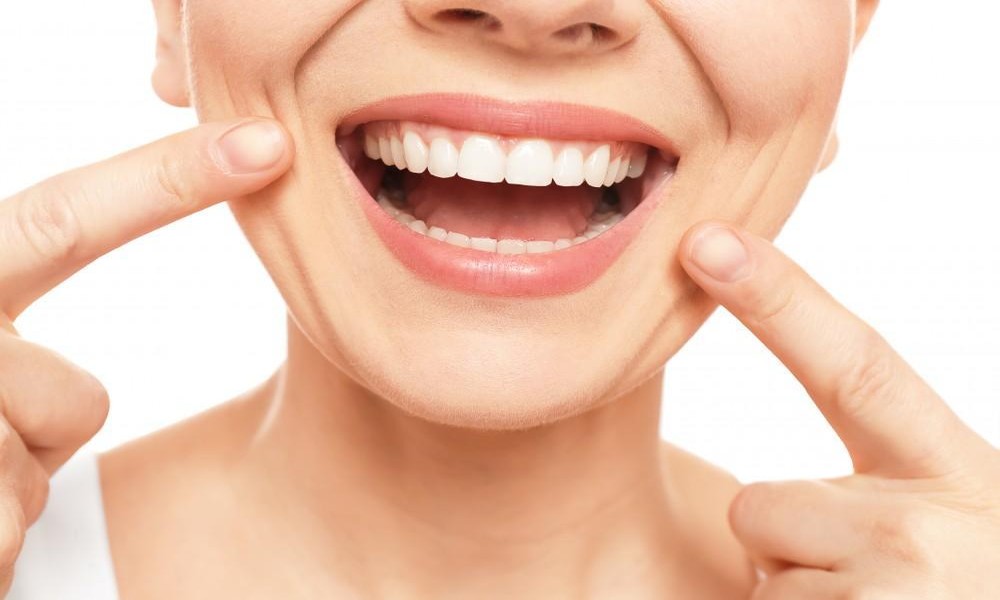
When you lose a tooth, it can feel like a piece of your life is missing. You may hide your smile. You may avoid photos. You may even change how you eat or speak. That pain is real. Dental implants give you a strong way out of that worry. They replace both the root and the tooth, so your smile feels steady and natural again. Unlike bridges or dentures, implants stay in place. You can laugh, chew, and talk without fear. Many people say they forget which tooth is the implant. A Great Falls, MT dentist can use implants to restore one tooth, several teeth, or a full smile. This blog explains five clear reasons implants are the gold standard for smile restoration. You will see how they protect your bone, support your bite, and help you feel like yourself again.
1. Implants protect your jawbone
When a tooth is gone, the bone under that space starts to shrink. Your body senses that the root is gone. It stops sending strength to that part of your jaw. Over time, your jaw can lose height and width. Your face can start to look sunken.
Implants change that pattern. The implant post sits in the bone where the root once sat. Your bone grows around it. That growth keeps the bone firm and strong. Bridges and dentures sit on top of the gums. They do not give your bone that same reason to stay strong.
The National Institute of Dental and Craniofacial Research explains that bone loss is a common result of tooth loss and gum disease.
2. Implants let you chew real food again
Eating should feel simple. Missing teeth can turn a simple meal into a struggle. You may avoid meat, raw fruits, or crunchy food. You may chew on one side. That strain can lead to jaw pain and more worn teeth.
Implants anchor into bone. That gives strong support for chewing. You can bite into an apple. You can chew steak. You can enjoy family meals without fear that a tooth will shift.
Here is a basic comparison of how common options handle chewing strength and stability.
|
Tooth replacement type |
Chewing strength compared to natural teeth |
Stability while eating |
Effect on nearby teeth |
|---|---|---|---|
|
Dental implant |
High |
Fixed in place |
No support needed from neighbors |
|
Fixed bridge |
Moderate |
Fixed on nearby teeth |
Neighbor teeth must be trimmed |
|
Removable denture |
Low to moderate |
Can move or rub |
No trimming but can press on gums |
3. Implants protect nearby teeth
A bridge fills a gap by using the teeth on each side as anchors. To do that, the dentist must shave those teeth down. Once that tooth structure is gone, it never grows back. Those anchor teeth carry an extra load and can break or decay later.
Implants stand on their own. They do not depend on nearby teeth. Your healthy teeth stay whole. That respect for the teeth you still have is one reason many experts see implants as the top choice.
Keeping your natural teeth strong reduces future treatment. The Centers for Disease Control and Prevention explains that untreated tooth decay and tooth loss are common in adults.
4. Implants support clear speech and daily comfort
Loose dentures can slip when you talk. That slip can cause lisping, clicking sounds, or sudden silence while you try to reset them. Children and adults notice. That can feel humiliating. Some people stop speaking up in groups. Some stop reading to grandkids. That silence can grow heavy.
Implants remove that fear. The teeth stay still when you speak. Your tongue and lips move in a normal pattern. You can say words with clear sounds. You can laugh at a joke without pressing your denture back into place with your tongue.
Everyday tasks become simple again.
- You wake up and brush your teeth like usual.
- You drink hot coffee or cold water without plastic covering your palate.
- You kiss family without worry that your teeth might shift.
That calm comfort is not flashy. It is steady. It can lift your mood in small but real ways every day.
5. Implants can last a long time with routine care
Nothing lasts forever. Yet implants can come close when you care for them. Studies show that many implants stay strong for decades. Bridges and dentures tend to need more repairs or replacement.
You care for implants much like natural teeth.
- Brush twice a day with a soft brush.
- Clean between teeth daily with floss or interdental tools.
- See your dentist for routine checkups and cleanings.
Here is a simple comparison of expected lifespan and common upkeep needs. Actual results depend on your health and habits.
|
Tooth replacement type |
Typical lifespan with care |
Common upkeep needs |
|---|---|---|
|
Dental implant crown |
10 to 15 years or more |
Crown repair or replacement if worn |
|
Dental implant post |
Many decades |
Checkups and cleanings |
|
Fixed bridge |
5 to 10 years |
Repair of chipped porcelain and decay under the bridge |
|
Removable denture |
5 to 8 years |
Relines, adjustments, and replacement due to bone changes |
Is an implant right for you
Not every person can receive an implant at once. Your gums must be healthy. Your jawbone must be strong enough. Some people need treatment for gum disease first. Some need bone grafting to build support.
A careful exam and X-rays help your dentist plan. You can ask direct questions.
- Do I have enough bone for an implant
- What will my treatment steps be
- How long will healing take for me
You do not need to accept loose dentures or empty spaces as your only path. With clear guidance and steady care, implants can give you strength, function, and a quiet kind of confidence when you smile.