

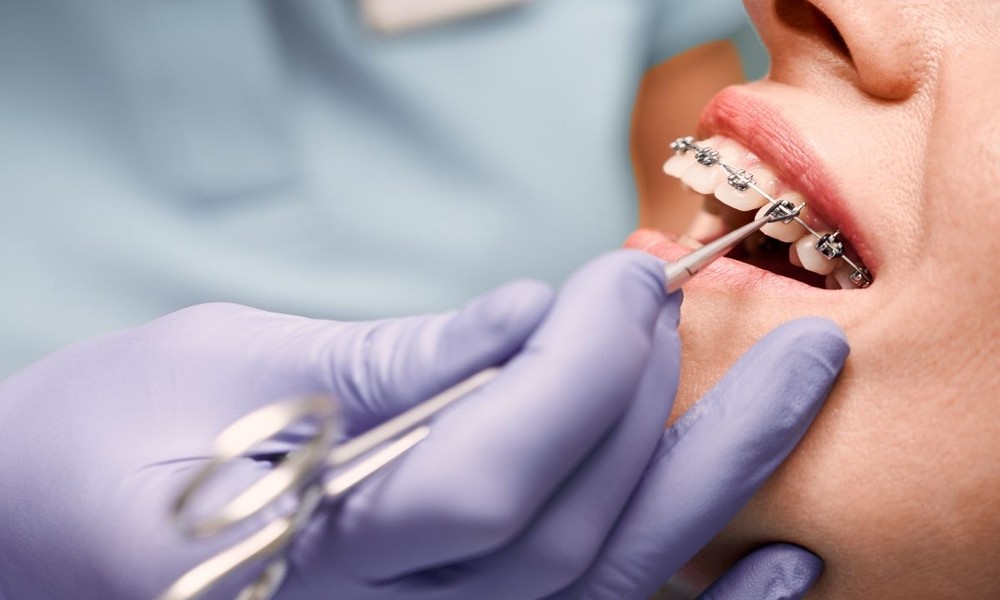
Crooked teeth, sore gums, and broken fillings rarely start as big problems. They grow slowly. You often notice them only when the pain hits hard or a tooth cracks during a normal meal. That is why orthodontics and general dentistry must work together. One guides how your teeth move. The other protects how your teeth work each day. Together they stop small issues from turning into surgery, infection, or tooth loss. This blog shows 5 clear ways that braces, aligners, cleanings, and checkups protect your mouth, your budget, and your time. You will see how simple steps now prevent root canals, jaw pain, and gum disease later. If you see a dentist in LA or anywhere else, the same rules still apply. You deserve a mouth that feels strong, looks steady, and stays that way for years.
1. Straight teeth are easier to clean
When teeth lean, twist, or crowd, food hides between them. Then plaque builds up. Over time that turns into tartar, cavities, and bleeding gums. Braces and clear aligners move teeth into better spots. That makes brushing and flossing simple.
You can reach more of each tooth surface. Your toothbrush works better. Your floss slides in without cutting your gums. Clean teeth mean fewer fillings and fewer sore spots.
Three key gains from straighter teeth are clear.
- Less trapped food between teeth
- Lower chance of cavities and bad breath
- Faster, more complete brushing and flossing
The Centers for Disease Control and Prevention explains how plaque and sugar lead to decay in every age group.
2. Healthy bites protect teeth from wear
Your bite is how your upper and lower teeth meet. When your bite is off, some teeth hit too hard. Others barely touch. Over time, that pressure can chip teeth. It can flatten the biting edges. It can crack fillings and crowns.
Orthodontic care lines up your bite. General dentistry then repairs any damage and watches for small changes. Together, they keep your teeth from grinding away year after year.
Here are common bite problems and what they can cause.
|
Type of bite problem |
What you may notice |
Future risk if not treated |
|---|---|---|
|
Overbite |
Front teeth cover lower teeth too much |
Worn front teeth and jaw strain |
|
Underbite |
Lower teeth stick out in front |
Chipped front teeth and chewing trouble |
|
Crossbite |
Some upper teeth bite inside lower teeth |
Uneven wear and gum recession |
|
Open bite |
Front teeth do not touch when you bite |
Tooth wear on back teeth and speech changes |
Correcting your bite now protects your teeth like a helmet protects your head. It absorbs strain before damage starts.
3. Routine cleanings stop silent gum disease
Gum disease often grows quietly. Your gums may not hurt. You might only see pink on your toothbrush once in a while. Yet deep under the gum line, bacteria can eat away the support for your teeth.
Regular cleanings with your general dentist clear plaque and tartar from places you cannot reach at home. Orthodontics that straightens crowded teeth also gives gums more room. That makes it easier to clean along the gum line and between teeth.
Three signs of early gum disease are common.
- Gums that bleed when you brush or floss
- Red or puffy gum edges around teeth
- Bad breath that will not go away
The National Institute of Dental and Craniofacial Research explains how gum disease starts and how to stop it.
4. Early checks catch problems in growing mouths
Children and teens change fast. Jaws grow. Baby teeth fall out. Adult teeth come in. During this time, small problems can turn into big ones. A thumb habit, mouth breathing, or missing teeth can shift the bite.
Regular visits with a general dentist spot these changes early. Orthodontic checks then guide jaw growth and tooth movement. That teamwork can shorten treatment later and avoid extractions or surgery.
Parents can watch for three warning signs.
- Difficulty biting into food or chewing on one side
- Teeth that crowd or overlap soon after growing in
- Jaws that shift or click when the child opens wide
Early checks do not always mean braces right away. They give you a clear plan. You know what to expect and when to act.
5. Preventive care costs less than crisis care
Many people wait for pain before they call a dentist. By that time, the problem often needs deep treatment. That can mean root canals, extractions, or emergency visits. Those visits cost more money and time. They also cause stress.
Orthodontic and general dental care spread needed work over time. Cleanings, fluoride, small fillings, and planned braces protect against costly surprises. You get steady care instead of rushed decisions.
Here is a simple comparison of common services. Actual costs vary by office and location. The pattern stays the same. Prevention costs less than repair.
|
Type of visit |
Typical purpose |
Relative cost |
|---|---|---|
|
Routine exam and cleaning |
Check mouth and remove plaque |
Low |
|
Small filling |
Treat early cavity |
Moderate |
|
Root canal and crown |
Save tooth with deep decay |
High |
|
Emergency visit for toothache |
Address sudden pain or infection |
High |
Simple habits support this care. You can brush twice a day with fluoride toothpaste. You can floss once a day. You can limit sugary drinks and snacks. Then you can keep your regular exams and orthodontic visits.
Taking your next step
Orthodontics and general dentistry are not separate worlds. They share one goal. They protect your mouth before trouble grows. Straight teeth are easier to clean. Balanced bites prevent wear. Clean gums hold teeth in place. Early checks guide growing mouths. Planned care saves you from crisis costs.
You can start by booking a routine exam. You can ask clear questions about your bite, your gums, and your child’s growth. You can request a simple plan that joins orthodontic care with general care. That one step today can spare you pain, fear, and expense later. Your future self will feel relief, not regret.