

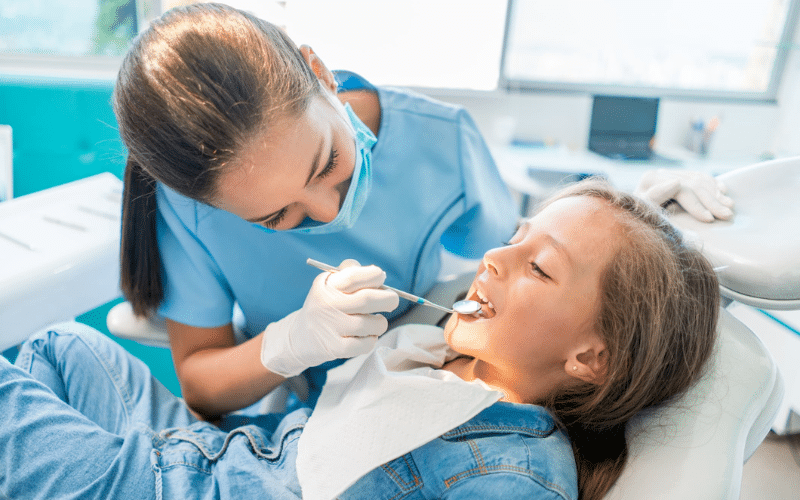
You want your child to smile without fear or pain. Preventive dental care gives you that power. This blog explains 6 preventive treatments family dentists recommend for kids and teens, so you know what to ask for at each visit. You learn how to protect baby teeth, new adult teeth, and braces. You also see when simple steps at home are not enough. Many parents search for an Akron dentist for crowns only after a problem grows. You can act earlier. Cleanings, sealants, fluoride, early X rays, mouthguards, and habit checks all lower the chance of cavities and broken teeth. Each one is quick. Each one protects your child’s comfort, speech, and confidence. You do not need special knowledge. You just need clear guidance and a plan you can follow.
1. Regular cleanings and checkups
Every six months, your child should see a dentist. Some kids need visits every three or four months. At these visits, the dental team will:
- Remove plaque and hardened tartar that brushing leaves behind
- Check gums for swelling or bleeding
- Look for early white spots that signal weak enamel
- Review brushing and flossing habits
Routine care finds small problems before they hurt. Cavities stay smaller. Gum problems stay mild. Your child avoids sudden pain and missed school.
2. Sealants for back teeth
Sealants are thin coatings that protect molars. Dentists paint them on the chewing surfaces of back teeth. Then a light hardens the coating. The process is quick and painless.
Molars have grooves where food and germs hide. A sealant covers those grooves. This lowers the chance of cavities in those teeth.
The CDC reports that sealants can prevent up to 80 percent of cavities in the back teeth of children. You can see data and charts on sealants from the CDC dental sealants page.
Sealants vs No Sealants for School Age Children
| Group | Chance of cavity in a molar over 2 to 3 years | Typical need for fillings |
|---|---|---|
| With sealants | Much lower | Fewer or none |
| Without sealants | Much higher | More fillings and possible crowns |
Sealants work best when first permanent molars come in, usually around age 6, and again when second molars come in around age 12.
3. Fluoride treatments
Fluoride strengthens enamel. It helps teeth resist acid from food and germs. Your child gets fluoride from toothpaste and sometimes from tap water. Many kids still need extra help.
At the dentist, fluoride comes as a foam, gel, rinse, or varnish. The dentist brushes or places it on the teeth. Your child keeps it on for a short time, then spits or wipes away the extra.
Fluoride treatments are useful if your child:
- Already has cavities
- Wears braces
- Snacks often
- Has dry mouth from medicines
These treatments are quick. They lower the risk that weak spots turn into deep holes.
4. X rays and early checks for growth problems
Many problems hide under the gums. X rays let the dentist see:
- New teeth before they come in
- Extra teeth or missing teeth
- Infections at the root
- Bone loss from gum disease
Your child does not need X rays at every visit. The dentist sets a schedule based on age and risk. The American Dental Association explains that children often need them more often than adults, because their mouths change fast. You can review guidance on X rays from the American Dental Association.
Early checks also include watching the bite. The dentist looks at how upper and lower teeth meet. If teeth crowd or shift, the dentist may refer you to an orthodontist. Early braces or other treatment can prevent jaw pain and heavy wear on teeth later.
5. Mouthguards for sports and grinding
Sports injuries cause many broken and lost teeth in kids and teens. A custom mouthguard cushions the teeth, lips, and jaw. It is most important for:
- Contact sports like football, hockey, and martial arts
- Team sports like basketball or soccer
- Skateboarding, biking, and similar activities
You can buy a mouthguard in a store. A custom one from the dentist fits better and feels easier to wear. Better fit means your child is more likely to keep it in during play.
Some kids also grind their teeth during sleep. A night guard protects enamel from wear. It prevents chips and small cracks that later need fillings or crowns.
6. Habit checks and coaching
Many habits harm teeth over time. Common ones include:
- Thumb or finger sucking past age 4 or 5
- Frequent sipping of juice or soda
- Constant snacking, even on crackers or chips
- Using teeth to open packages
The dentist can spot damage early. You then get simple steps to change habits. For thumb or finger sucking, you might use praise, rewards, or special covers on the thumb. For sipping and snacking, you might set drink times and choose water between meals.
Habit talks also cover brushing and flossing. A quick show and tell with your child can correct missed spots and rough brushing that hurts gums.
How these treatments work together
Each treatment protects teeth in a different way. Together they form a strong shield. You can think in three steps.
- First, regular cleanings and habit checks remove current plaque and fix daily routines.
- Second, sealants and fluoride add extra layers of defense against cavities.
- Third, X rays and mouthguards prevent sudden injury and hidden damage.
When you follow this plan, your child is less likely to need fillings, root canals, or crowns. Dental visits stay calm. Your child learns that care can feel safe and quick.
Next steps for parents and caregivers
You can start with three simple actions.
- Schedule a dental checkup if your child has not seen a dentist in the past six months.
- Ask the dentist whether your child is ready for sealants and needs fluoride treatments.
- Talk about a mouthguard if your child plays any sport where falls or hits to the mouth can happen.
You deserve clear answers. Your child deserves a healthy mouth. Early care is not extra. It is basic protection that saves time, money, and pain later in life.