

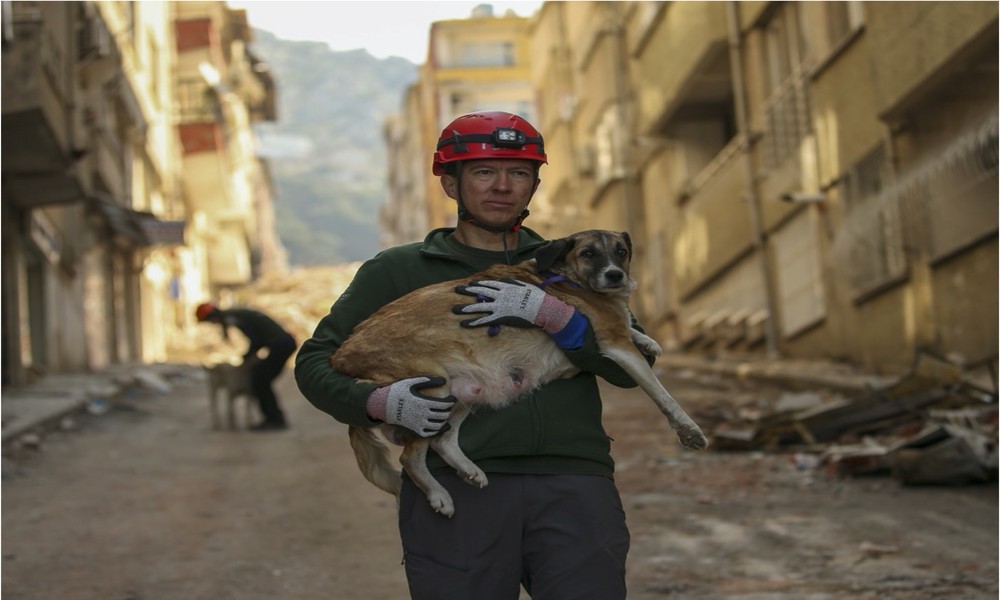
Disasters do not wait for a calm moment. Fires, floods, and power outages can strike your clinic without warning and tear through your routine in seconds. You treat animals who cannot speak for themselves. They depend on you to stay ready when everything around you fails. This blog gives you clear steps to protect patients, staff, and records when the lights go out or the water starts to rise. You will see how to build simple checklists, train your team, and keep care going with limited power. You will also see lessons from a veterinary in Warwick, Bermuda, where storms and flooding are common threats. Careful planning turns panic into order and cuts the risk of loss. You cannot stop every crisis. Yet you can prepare your hospital so that when disaster hits, you act fast, protect life, and reopen with confidence.
Know the risks to your hospital
You need a clear picture of what can hit your hospital. You also need to know how hard each event can hit you.
- Fire from electrical faults, oxygen use, or nearby buildings
- Flooding from storms, burst pipes, or sewage backup
- Power loss from storms, grid failure, or local damage
First, walk through your building. Look at exits, oxygen lines, kennels, storage rooms, and high shelves. Then ask three questions.
- What can cause harm here
- Who or what can be hurt
- What stops harm right now
The Federal Emergency Management Agency offers simple risk tools you can adapt for your practice at FEMA planning guidance. You can print those tools and keep them near your safety binder.
Build plain emergency plans
Your plan must be short, clear, and easy to use in fear and noise. You do not need thick binders. You need three short written plans.
- Fire plan
- Flood plan
- Power outage plan
Each plan should answer these points.
- Who calls 911 or local emergency numbers
- Who leads animal movement
- Who grabs records and backup drives
- Where staff and clients gather outside
- How you count animals and people
Place one page near the front desk, treatment room, and kennel room. Use large print. Use plain words. You want a new staff member to follow it without guesswork.
Protect animals during fire
Fire moves fast. Smoke kills faster. You must protect people first. Yet you can still plan for safe animal movement.
Take these steps now.
- Keep exits clear at all times
- Mark kennels that hold oxygen-dependent patients
- Use quick-release clips on leads and cage doors
- Store carriers near ward exits
- Teach staff how to move animals in pairs
The National Fire Protection Association offers guidance on healthcare fires that you can adapt for your practice. Review their hospital fire steps to shape your own actions.
Protect your clinic from floods
Floods can come from storms or from inside your walls. Even shallow water can shut down your hospital and destroy records.
You can cut damage with three habits.
- Store paper records and drugs above floor level
- Keep sandbags or water barriers on site
- Know how to shut off power and water safely
Also, map safe routes to move animals to higher ground or a partner clinic. Practice moving a small group of animals along that route. That practice will show you tight corners, broken steps, or blocked doors that need change.
Keep care going during outages
Power loss can stop oxygen, suction, heat, and light. You must decide what care you can continue and what you must delay.
First, list equipment that must stay on.
- Oxygen concentrators
- Anesthesia machines
- Refrigerators for vaccines and insulin
- Critical care kennels
Then work with a licensed electrician to size a generator that can support that list. The U.S. Department of Energy offers clear tips on backup power and fuel safety at the Energy Emergency Preparedness page. Review those tips before you buy or install any generator.
Sample backup options for small hospitals
|
Backup option |
What it supports |
Strengths |
Limits |
|---|---|---|---|
|
Portable gas generator |
Fridge, lights, small equipment |
Low cost. Easy to move. |
Needs fuel. Creates fumes. Needs outdoor space. |
|
Fixed standby generator |
Most of clinic on automatic start |
Starts on its own. Strong power. |
Higher cost. Needs regular tests. |
|
Battery backup units |
Single devices and routers |
Silent. No fuel. |
Short run time. Limited load. |
Use this table as a start. Then match options to your risk and budget.
Protect your records and data
Animals depend on your memory of past care. Disasters erase paper and damage computers. You need at least three layers of protection.
- Daily electronic backup of practice software
- Automatic copy to a secure cloud service
- Printed contact list for staff and key patients
Store one recent backup off-site. You can use an encrypted drive that a manager takes home in a secure case. Never rely on one computer or one room.
Train your team and practice
A plan on paper is not enough. Your team must feel each step in their body so they can act under pressure.
Hold short drills three times a year.
- One fire drill with mock clients in the lobby
- One flood or storm drill with animal movement
- One power loss drill where you unplug noncritical gear
After each drill, meet for ten minutes. Ask what felt slow, what felt confusing, and what felt unsafe. Then adjust your plan. Write changes down at once so the plan stays real.
Communicate with clients before and after events
Your clients fear losing their animals. Clear words from you can calm that fear.
Use three channels. Post on your website. Post at the front desk. Call the owners of high-risk patients and explain your plan.
After an event, give honest updates. Say what you can do and what you cannot do yet. That honesty builds trust and reduces anger.
Turn fear into steady action
Disaster readiness can feel heavy. Yet each step you take cuts fear. Start small. Walk your halls. Mark exits. Print a one-page plan. Then keep adding pieces. Your patients need your steady hand when crisis tears at your doors. Careful planning gives you that steady hand and protects every life that rests in your hospital.