

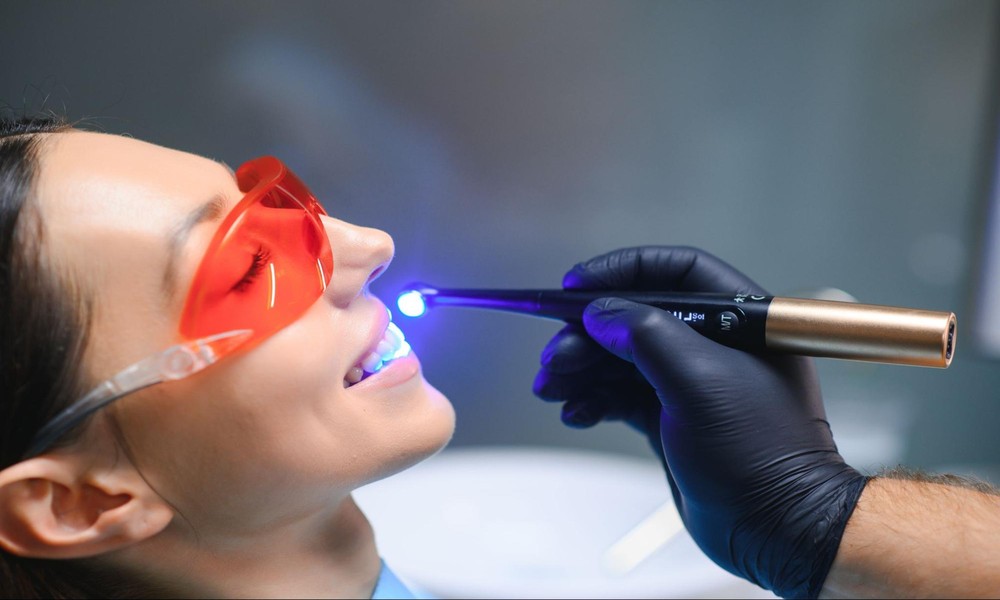
Technology changes how you experience a dental visit. It turns stress into control. It turns guesswork into clear answers. At a routine appointment, you now see what your dentist sees. You understand your options. You leave with fewer questions and more certainty. New tools do not replace a caring dentist. Instead, they give that care more strength and accuracy. As a patient, you get quicker tests, clearer images, and treatment that fits your exact needs. You spend less time in the chair and more time back in your life. If you visit a dentist in West Chester, OH, you might already notice these changes. You see digital screens, smaller devices, and quieter tools. Each one has a purpose. This blog will show four simple ways technology supports your comfort, your safety, and your long term oral health during general dentistry visits.
1. Digital X-rays Show Problems Earlier
Digital X-rays help your dentist see decay, infection, and bone loss at an early stage. Early care protects your teeth and saves you from larger work later. You also get less exposure to radiation compared with older film X-rays.
During a digital X-ray, a small sensor sits in your mouth for a short time. The image appears on a monitor within seconds. You see the same picture your dentist reviews. Clear images help you understand where a cavity sits and why a treatment plan makes sense.
The Centers for Disease Control and Prevention explains that strong oral health starts with regular checkups and early detection. Digital X rays support this goal. They make hidden problems visible while keeping your exposure low.
Digital X Rays vs Traditional Film X Rays
|
Feature |
Digital X Rays |
Film X Rays |
|---|---|---|
|
Image speed |
Seconds |
Several minutes |
|
Radiation exposure |
Lower |
Higher |
|
Image detail |
High with easy zoom |
Limited zoom |
|
Sharing records |
Easy electronic sharing |
Mail or scanning needed |
|
Environmental impact |
No film or chemicals |
Film and chemical waste |
Digital X-rays also help with second opinions. Your dentist can send files to a specialist in moments. You get quick answers and a clear path forward.
2. Intraoral Cameras Help You See Your Own Teeth
An intraoral camera is a small tool with a tiny camera at the tip. It fits comfortably in your mouth. It sends live images to a screen near the chair. You see cracks, worn edges, or red gums in real time.
This view can calm fear. You no longer guess what is wrong. You see it. That makes treatment feel like a joint decision. You understand why a filling, crown, or cleaning matters. You also learn how daily habits touch your teeth and gums.
Pictures from intraoral cameras help track change. Your dentist can compare images from past visits. Small changes in a tooth or gum line stand out. Then you can act early. That helps avoid pain and urgent visits.
Parents can use these pictures to teach children. A child who sees plaque on a tooth may brush more carefully at home. The image turns a lesson into something real.
3. Digital Records Support Safer, Faster Visits
Modern dental offices use electronic records to hold your health history, X-rays, and visit notes. This system supports safer care and shorter visits. It also reduces lost files and missing details.
The National Institute of Dental and Craniofacial Research highlights the link between mouth health and conditions like diabetes and heart disease. Digital records help your dentist keep track of these links. Your list of medicines, allergies, and diagnoses stays current and easy to find.
With digital records, your dentist can
- Review your history before you enter the room
- See past X-rays and photos at a glance
- Send referrals and records to other providers quickly
- Track cleanings and remind you when you are due
Families also benefit. Many systems group family members. Appointment times, reminders, and treatment notes stay organized. That reduces mix-ups and repeat forms.
Digital records also support clear billing. Treatment codes and notes match. You can ask questions about a charge and get a precise answer based on the record.
4. Modern Treatment Tools Improve Comfort
New tools in general dentistry focus on comfort and accuracy. Many offices now use quieter handpieces, better numbing methods, and materials that blend with your natural teeth.
Here are three common examples you may notice.
- Quieter handpieces. New drills use technology that reduces noise and vibration. The softer sound helps ease fear for adults and children.
- Improved numbing. Topical gels and precise delivery tools help numb the exact spot that needs work. You feel less sting at the start of treatment and more steady comfort during care.
- Tooth colored materials. Fillings and crowns often match your tooth color. This supports both function and appearance. You can chew with strength and smile with confidence.
Some offices also use chairside monitors to show your chart, X-rays, and care steps. You can follow along as the visit moves forward. Clear information builds trust. You know what is happening and why each step matters.
Over time, these tools help reduce fear of the dentist. When visits feel calmer and more predictable, you are more likely to keep regular cleanings and checkups. That routine care protects against deeper decay and gum disease.
How to Use Technology to Protect Your Oral Health
Technology only helps when you use it with steady habits. You can support your oral health by
- Scheduling regular checkups and cleanings
- Asking your dentist to explain images and photos
- Reviewing your digital records or visit summary
- Sharing updates about your health and medicines
- Brushing twice a day with fluoride toothpaste
- Flossing once a day
Each visit gives you a chance to learn more about your own mouth. When you pair that knowledge with daily care at home, you lower your risk of pain, infection, and tooth loss.
Technology will keep changing. Your needs will stay the same. You want clear answers, steady comfort, and care that respects your time. Modern dental tools support those needs and help you protect your teeth for your entire life.