

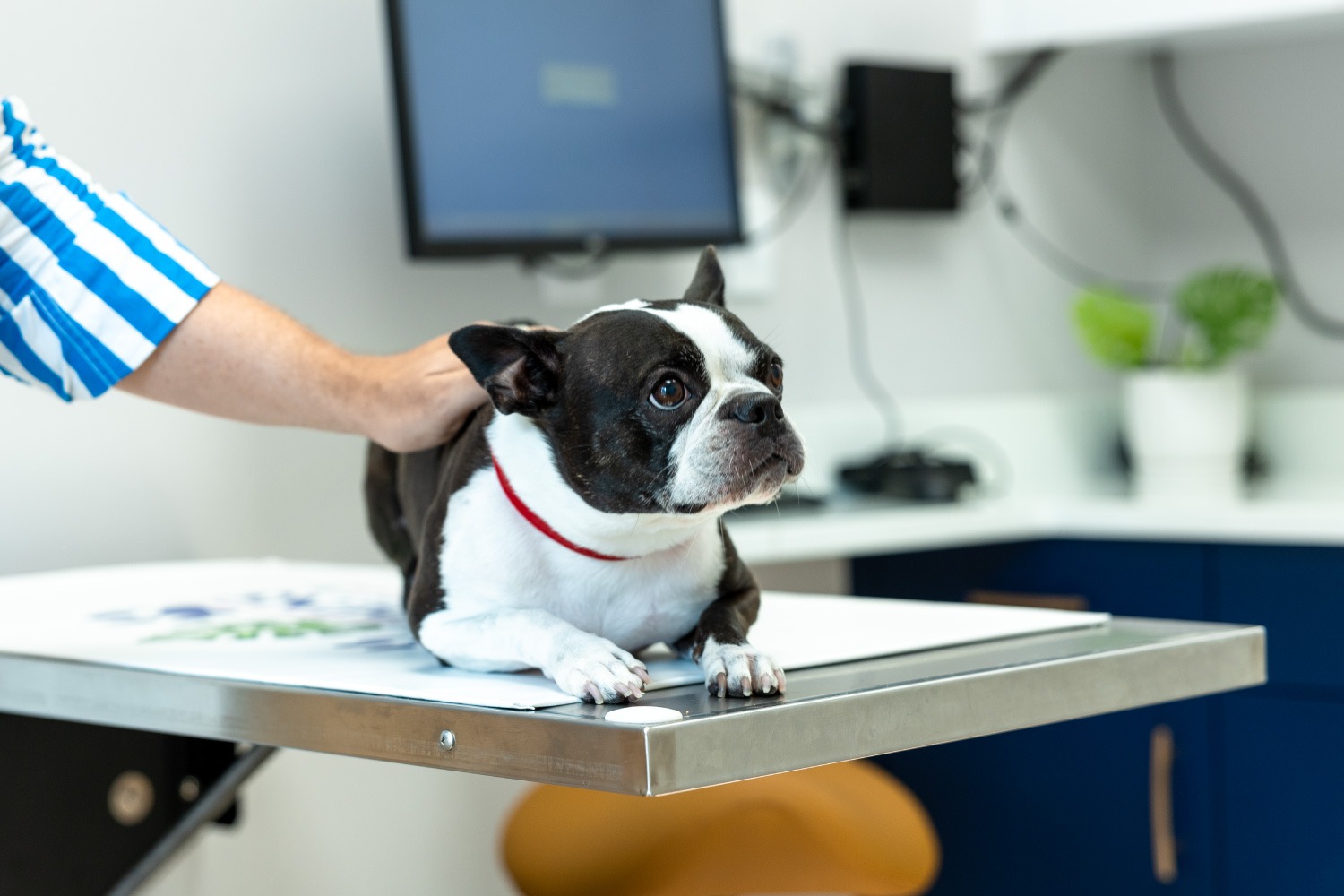
Senior pets need quiet, steady care. Their bodies change. Their moods change. Their needs change. You may feel worry, guilt, or confusion. You are not alone. A trusted animal hospital becomes a partner in these hard years. Regular exams catch small problems early. Clear plans manage pain, nutrition, and movement. Honest talks help you face tough choices with less fear. In a Pembroke Pines animal hospital, a team can track your pet’s health, adjust medicine, and guide you through each stage of aging. They can check teeth, joints, heart, kidneys, and behavior. They can explain test results in plain words so you understand what is happening and what comes next. This support protects your pet’s comfort. It also protects your peace of mind. When you work with an animal hospital, you do not guess. You act with clear information and steady help.
Why senior pets need closer medical care
Age changes a pet in three main ways. The body slows. Senses fade. Behavior shifts. You may see stiff steps, cloudy eyes, weight gain or loss, or new fears. These are not simple signs of “getting old.” Many point to a treatable disease.
Regular care lets the team catch problems before they turn into crises. The American Veterinary Medical Association explains that senior pets often need exams every six months instead of once a year.
How often should a senior pet see an animal hospital
Most healthy adult pets do well with yearly visits. Senior pets need more. Age, size, and health history guide the schedule.
Typical visit schedule for senior pets
|
Pet type |
Age considered senior |
Usual visit frequency |
|---|---|---|
|
Small dog |
9 years and older |
Every 6 months |
|
Large or giant dog |
6 to 7 years and older |
Every 4 to 6 months |
|
Indoor cat |
10 years and older |
Every 6 months |
|
Outdoor or former stray cat |
8 years and older |
Every 4 to 6 months |
This schedule is only a starting point. Heart disease, kidney trouble, diabetes, or cancer may require more frequent checks.
What happens during a senior pet visit
Each visit has three core parts. The team listens to you. The team examines your pet. The team builds or updates a plan.
During the exam, the team may
- Check weight and body condition
- Listen to the heart and lungs
- Feel joints and spine for pain
- Look at eyes, ears, teeth, and gums
- Review appetite, drinking, sleep, and bathroom habits
They often suggest lab tests. These tests give a clearer view inside the body. The Colorado State University Veterinary Teaching Hospital explains common senior tests.
Key health problems animal hospitals manage in senior pets
Senior care focuses on three common problem groups. Pain from joints or spine. Organ disease. Behavior and brain change.
- Joint and mobility pain. Arthritis makes movement slow and stiff. The hospital can use medicine, weight control, and simple home changes to ease strain.
- Heart and kidney disease. Early changes in blood work and urine tests often show before you notice signs. The team can adjust diet and medicine to slow the damage.
- Cancer. Many cancers grow faster in older bodies. Regular exams raise the chance of noticing lumps or weight change early, when more options exist.
- Dental disease. Bad teeth and gums cause pain and infection. Cleaning and extractions can restore comfort and help other organs.
- Cognitive change. Confusion, night pacing, or house soiling can mean brain aging. The team can suggest routines and medicine that reduce stress.
Pain control and comfort care
Pain steals sleep, appetite, and joy. You might miss early signs because pets hide pain. The hospital team knows the small clues. They watch how your pet walks, stands, and reacts to touch.
They can use three main tools. They use safe pain medicine. They suggest weight control and gentle movement. They guide you on home changes such as soft beds, rugs on slick floors, and ramps near steps.
Nutrition and weight management for senior pets
Food needs change with age. Many senior pets gain weight when they move less. Others lose weight due to disease. The animal hospital checks the weight at each visit and tracks trends.
The team may suggest
- A senior diet with fewer calories and more protein
- A kidney support diet for early kidney changes
- Joint support diets that include omega fatty acids
- Feeding smaller, more frequent meals
Clear feeding rules protect you from guesswork and guilt. You know what to offer and how much.
Home adjustments guided by your animal hospital
Senior pet care does not end at the hospital door. Your home becomes part of the treatment plan. The team can walk you through simple changes.
- Create quiet sleep spots away from noise
- Place water bowls on each floor
- Use night lights for pets with poor vision
- Place litter boxes or potty pads where your pet can reach them fast
- Limit stairs if joints hurt
These steps reduce stress for your pet. They also reduce cleanups and worry for you.
Talking about hard choices with support
Senior pet care often brings hard questions. You may wonder how long to continue treatment. You may fear causing more pain. Honest talks with the animal hospital give you facts and emotional support.
The team can help you
- Track good days and bad days
- Measure comfort using simple checklists
- Plan for emergency situations before they happen
- Understand options such as palliative care or hospice-style support
You do not need to make these choices in silence. You can ask direct questions and expect clear answers.
Working as a team for your senior pet
Strong senior care rests on three habits. You watch your pet at home and note changes. You keep regular appointments. You speak openly about your fears, limits, and hopes.
With this team approach, an animal hospital can manage disease, protect comfort, and honor the bond you share with your pet. Senior years can still hold calm, play, and connection. With steady care and clear guidance, you give your pet the gentle finish they have earned.