
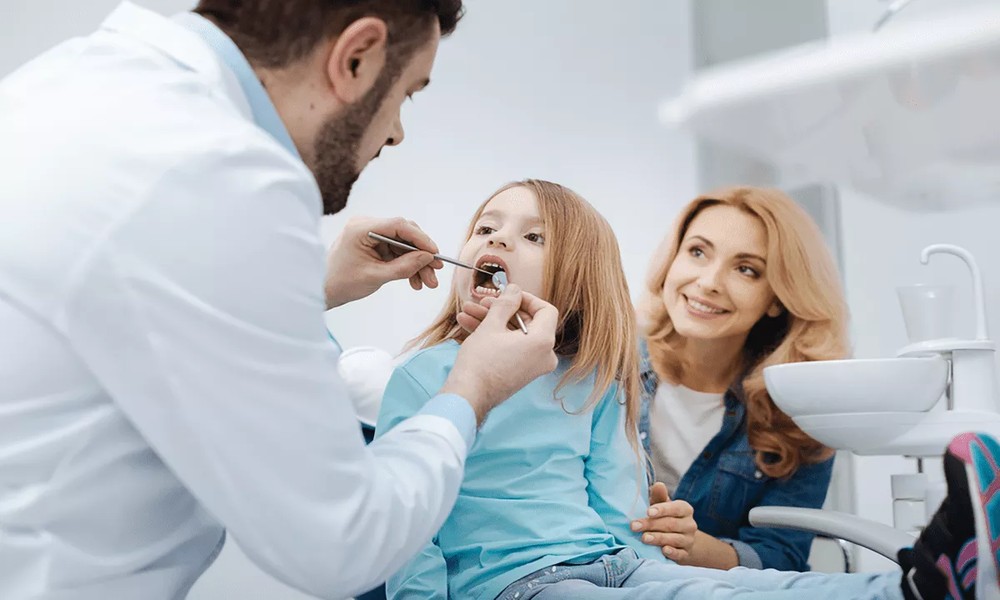

Families who care for a loved one with special health needs carry a heavy load. Dental visits can feel tense. Bright lights. New sounds. Strange tools. A good family dentist understands this strain and adjusts every step of care. A Garden Grove dentist trained in special health needs does not just “fit you into” a normal schedule. Instead, you get longer visits, clear plans, and a team that listens. You help shape the visit. You choose what feels safe. You decide what comes next. This blog explains how family dentists change routines for children and adults with conditions like autism, anxiety, sensory issues, or complex medical needs. You see how they prepare before you arrive. You learn what happens during treatment. You find out what support you get after you go home. You deserve calm care. Your loved one deserves respect and steady attention.
Why dental care can feel hard for your family
Special health needs change every step of daily life. Dental care adds extra strain. You may worry about pain. You may fear a meltdown. You may feel judged in the waiting room. You may also feel worn down from fighting for care in other clinics.
Many people with special health needs face higher risk of cavities and gum disease. Some take medicines that dry the mouth. Some find it hard to brush or floss. Some eat soft or sweet foods for comfort or safety. The risk grows, even when you try your best.
Routine dental care lowers that risk. It also protects speech, sleep, and eating. You protect the heart and lungs when you keep the mouth clean. The U.S. National Institute of Dental and Craniofacial Research explains this link between oral health and total health on its page on special care dentistry.
How family dentists change the setting
Your dentist can change the space so it feels safer. Small changes help a great deal. Common steps include three key shifts.
- Control of sound. The team may use quiet rooms, soft voices, and less background noise.
- Control of light. The team may dim the lights or offer dark glasses.
- Control of space. The team may shorten the waiting time and let you stay in the car until the room is ready.
Some offices offer social stories or picture guides before the visit. Some let you tour the office first. Some let the child sit in the chair without any tools for the first visit. You build trust before any treatment starts.
How care plans adapt to each person
A strong care plan fits the person, not the other way around. You and the dentist talk about three things.
- Medical needs. You share diagnoses, medicines, allergies, and any recent hospital stays.
- Behavior needs. You explain triggers, calming tools, and what has worked in past visits.
- Support needs. You decide who stays in the room and who gives comfort or holds a hand.
The dentist may split treatment into shorter visits. You may treat one part of the mouth at a time. You may choose early morning visits when your loved one has more energy. You may schedule longer slots so there is no rush.
Common tools and methods dentists use
Family dentists use a set of simple methods for special health needs. They focus on trust, choice, and clear steps.
- Tell show do. The team explains each step in plain words. Then they show the tool. Then they use it.
- Visual aids. The team uses pictures, timers, or hand signals for stop and go.
- Comfort items. The team welcomes headphones, weighted blankets, or a favorite toy.
Some patients need medicine to relax. The dentist might use laughing gas or a mild pill. Some need deeper support in a hospital setting. The decision always weighs risk, comfort, and the mouth problem. You should ask about side effects, consent, and what to watch for at home.
Table: How care may change for special health needs
|
Care step |
Standard visit |
Adapted visit for special health needs |
|---|---|---|
|
Scheduling |
Fixed time slots |
Longer slots, flexible times, fewer people in office |
|
Waiting |
Group waiting room |
Option to wait in car or quiet room, shorter wait |
|
Communication |
Verbal instructions |
Plain words, pictures, written steps, teach back |
|
Sensory load |
Bright lights and normal sounds |
Dimmed lights, less noise, comfort tools, breaks |
|
Treatment plan |
Full cleaning and work in one visit |
Shorter visits, staged work, practice visits |
|
Support people |
Parent or aide may wait outside |
Parent or aide stays, helps with comfort and cues |
|
Follow up |
Standard recall in six months |
Custom recall, extra coaching, closer checks |
How you can prepare for the visit
You know your loved one best. Your insight guides the dentist. Three steps help the visit go more smoothly.
- Share a clear history. Bring a list of medicines, doctors, and past reactions to care.
- Practice at home. Play “dentist” with a toothbrush. Use short sessions and praise effort.
- Plan for comfort. Pack snacks if allowed, a toy, or headphones. Plan a quiet reward after.
The Centers for Disease Control and Prevention gives simple oral health tips for people of every age and ability. You can see these at CDC oral health basics. You can print them and share them with your dentist.
What to ask your dentist before you commit
You have the right to ask hard questions. A strong family dentist will answer with respect. You might ask three core questions.
- What training do you have for special health needs
- How do you change the visit for my loved one
- What is your plan if my loved one cannot finish treatment
You can also ask if staff take extra time to learn your routines. You can ask if they can write a simple visit plan that you both sign. Clear plans lower stress for everyone.
After the visit: keeping gains at home
Care does not end when you leave the office. Your dentist can teach you quick daily steps.
- Use a small soft brush. Clean for two minutes, twice a day.
- Use fluoride toothpaste. Use a tiny smear for young children.
- Rinse with water after sweet snacks or drinks.
Some families use a picture chart for brushing. Some use a timer song. Some use a simple reward chart. You choose what fits your home. Regular recall visits, then fine-tune the plan. Over time, your loved one may feel braver in the chair. You may feel less alone.
Your voice shapes better dental care
Special health needs do not erase the right to a clean and pain-free mouth. Your story and your questions push the system to respond. You can expect respect. You can expect clear steps. You can expect a team that adjusts care, not your loved one. With the right family dentist, each visit becomes steadier and less tense. That steady rhythm protects health and eases your load.