

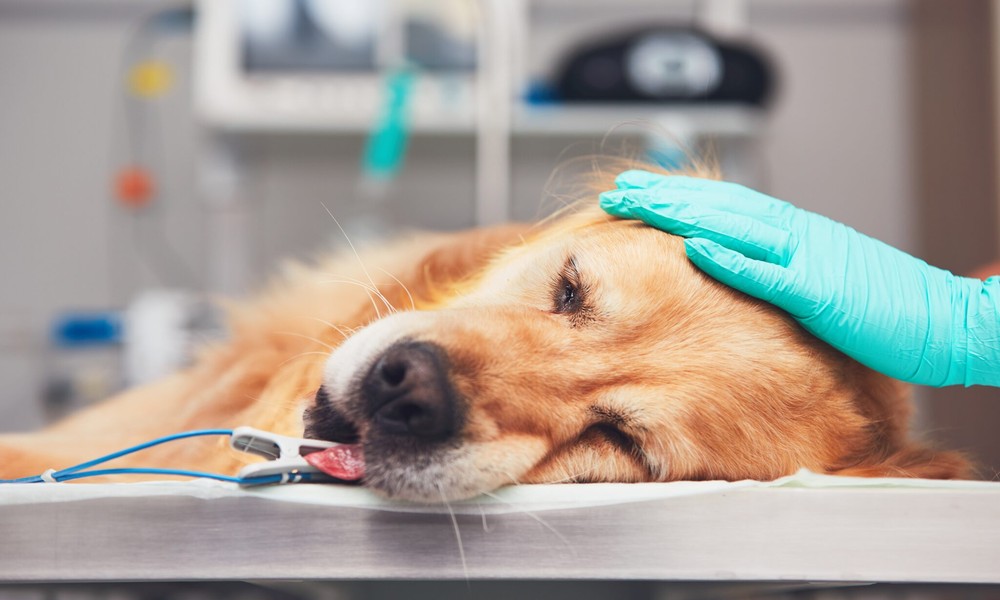
When your pet needs surgery, anesthesia can stir up fear. You worry about risk, pain, and whether your pet will wake up. That concern is natural. Veterinary hospitals expect it and build their work around your trust. They use clear steps before, during, and after anesthesia to protect your pet. First, staff review your pet’s history and current health. Then they run tests to spot hidden problems. Next, they choose drugs and doses that match your pet’s age, weight, and condition. During the procedure, trained staff track breathing, heart rate, and blood pressure every moment. After surgery, they watch for pain, confusion, or trouble breathing. Every step has checks and backups. A Sumter veterinarian follows strict standards so your pet stays as safe as possible. You deserve to know what happens and why. This guide explains how teams guard your pet when anesthesia is needed.
Step 1: Careful check before anesthesia
Safe anesthesia starts long before your pet enters the surgery room. Staff need clear facts about your pet’s body.
- They ask about past surgeries and reactions to drugs.
- They review current medicines, supplements, and past health problems.
- They examine heart, lungs, weight, and hydration.
Next, they often run blood work and sometimes urine tests. These tests show how the liver and kidneys work. They also show red and white blood cell counts.
Then, the staff decides if your pet faces low, medium, or high risk. They adjust the plan based on age, breed, and any heart or organ problems.
Step 2: Tailored anesthesia plan
Each pet needs a clear plan. Staff does not use a one-size-fits-all approach. Instead, they make three key choices.
- Which drugs to use.
- How much to give.
- How to give them.
First, they choose a sedative to calm your pet. Then they use an induction drug to start sleep. Next, they use gas anesthesia to keep your pet asleep. The plan also includes pain control before, during, and after surgery. That control lowers stress on the heart and brain.
Staff also plan fluid support through an IV line. That line lets them give drugs fast if trouble starts.
Step 3: Constant monitoring during surgery
Once anesthesia starts, your pet never sits alone. At least one staff member watches your pet from start to finish. In many hospitals, a trained technician stays at your pet’s side the whole time.
They track three core signs.
- Breathing rate and depth.
- Heart rate and rhythm.
- Blood pressure.
They often use machines that show oxygen level, carbon dioxide, and body temperature. The University of California Davis Veterinary Hospital explains these tools in its pet anesthesia overview.
Staff record these numbers every few minutes. That record helps them spot small changes before they turn into crises.
Comparison of monitoring in basic and advanced settings
|
Monitoring step |
Basic standard care |
Advanced hospital care |
|---|---|---|
|
Human watcher in room |
Yes, technician checks often |
Yes, technician stays at side full time |
|
Heart rate tracking |
Stethoscope and simple monitor |
Full ECG with alarm alerts |
|
Blood pressure checks |
Manual cuff a few times |
Automatic cuff with constant display |
|
Oxygen level |
Small clip on tongue or ear |
Clip plus trend review during surgery |
|
Carbon dioxide |
Not always present |
Capnograph that shows each breath |
|
Body temperature |
Checked sometimes |
Continuous probe with warming support |
Step 4: Safety checks during recovery
Risk does not end when surgery ends. Many problems show up while your pet wakes up. That is why recovery is a guarded time.
Staff move your pet to a quiet space. Then they watch three things closely.
- Breathing pattern.
- Gum color.
- Ability to swallow and lift the head.
They keep your pet warm. They often use blankets and warm air units. Pain medicine continues. Calm pain control helps your pet rest and keeps blood pressure steadier.
Staff remove breathing tubes only when your pet can swallow and protect the airway. Then they keep watching until your pet can stand and walk with help.
How you can support safe anesthesia
You share a role in safety. You know your pet better than anyone. Clear information from you helps the team plan well.
Before surgery, you can
- Share all drugs and supplements your pet takes.
- Mention past bad reactions to shots or medicines.
- Report coughing, fainting, or changes in thirst or urine.
On the day of surgery, follow fasting instructions. Food or water at the wrong time can raise the chance of stomach contents entering the lungs.
After surgery, follow home care steps. Give pain medicine exactly as directed. Watch for trouble signs, such as
- Fast or labored breathing.
- Very pale or blue gums.
- Refusal to drink for a full day.
Why anesthesia is safer today
Modern veterinary anesthesia is far safer than in past decades. Stronger monitoring, better drugs, and clear training have changed outcomes. Many hospitals follow human hospital standards. They also use checklists for each case.
That progress does not erase risk. Yet it does mean that for most pets, the risk of skipping needed surgery is higher than the risk of anesthesia itself. Untreated pain, infection, or cancer can cause slow harm. Timely surgery with careful anesthesia can stop that harm and restore comfort.
You carry the weight of each choice for your pet. Clear facts can ease that weight. When you see the structure behind safe anesthesia practices, fear often turns into steady concern and informed consent. That shift gives your pet the best chance for a safe sleep and a steady wake-up.