

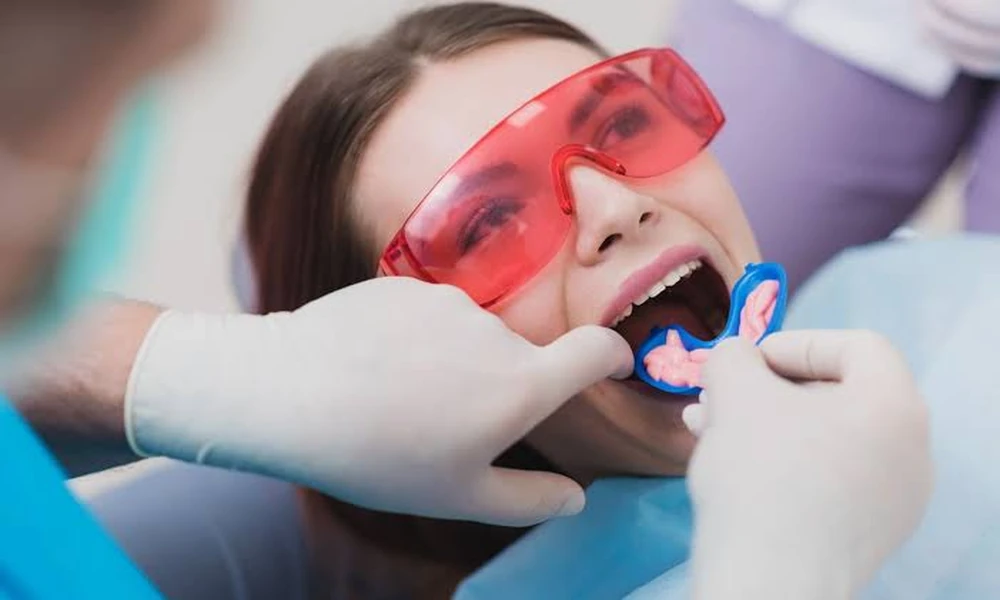
You might be feeling a bit torn about fluoride right now. Maybe you have seen conflicting opinions online, heard a neighbor question it, or watched your child flinch during a South Lake Tahoe dental care visit and wondered if any of this is really worth it. You want strong, healthy teeth for your family, but you also want to feel confident that what you agree to is safe, necessary, and backed by real science.end
This is where fluoride varnish often shows up. A quick brush-on treatment, a few minutes in the chair, and you are told it helps prevent cavities. It sounds simple, yet the decision can feel anything but simple. Because of that tension, it helps to pause, understand what fluoride varnish actually does, and see how it fits into everyday preventive dentistry for both kids and adults.
In short, fluoride varnish for children and adults is a targeted, low-cost way to strengthen teeth and reduce the risk of decay. It does not replace brushing, flossing, or regular cleanings, but it supports all of them by making tooth enamel more resistant to the acids that cause cavities. When used as part of routine care with a trusted family dentist, it can mean fewer fillings, less pain, and a calmer experience each time you sit in the chair.
Why does fluoride varnish matter when you are already brushing and flossing?
You might already be doing many things right. You buy fluoride toothpaste, you schedule checkups, you try to limit sugary snacks. Yet cavities still show up, especially in kids, and sometimes in adults who are trying their best. That can feel frustrating and even a little defeating.
The truth is that daily habits are essential, but life is rarely perfect. Children sip on juice or snacks throughout the day. Teens grab sports drinks or energy drinks. Adults deal with stress, dry mouth from medications, or late-night snacking. All of these things expose teeth to frequent acid attacks, and even good brushing can struggle to keep up.
Fluoride varnish steps in as an extra layer of protection. It is a concentrated form of fluoride brushed directly onto the teeth. It adheres to the enamel, releases fluoride over time, and helps repair the early microscopic damage that acid causes before it turns into a full-blown cavity. According to the Centers for Disease Control and Prevention, professional fluoride treatments like varnish can significantly reduce tooth decay, especially in children who are at higher risk.
So where does that leave you when you are trying to weigh the benefits and the worries you might have about safety or cost?
What are the real concerns about fluoride varnish, and how are they addressed?
There are a few common concerns that come up again and again. You might worry about too much fluoride, about whether it is safe for young children, or about adding “one more cost” to already expensive dental care. Those concerns are reasonable, and they deserve clear answers.
From a safety standpoint, fluoride has been studied for decades. The National Institute of Dental and Craniofacial Research explains that fluoride in the right amount strengthens enamel and helps prevent and even reverse early decay. Fluoride varnish uses a very small amount of fluoride applied by a professional. It hardens quickly, so very little is swallowed, which is why it is considered safe even for young children, including toddlers.
Another concern is whether fluoride varnish is “overkill” if you already use fluoride toothpaste or have fluoridated water. In reality, it is more like adding a targeted shield to high-risk teeth. Many cavities start in deep grooves of back teeth or along the gumline where plaque sits longer. A family dentist can focus fluoride varnish exactly where it is needed most, which makes it different from the general exposure you get from water or toothpaste.
Financial worries are also real. It can feel like every recommendation adds another charge. The encouraging part is that fluoride varnish is usually one of the more affordable professional treatments in preventive dentistry, and many insurance plans cover it completely for children at regular intervals. Even for adults, the cost of a varnish treatment is often far lower than the cost of a single filling or crown later on.
Because of all this, many professional groups, including the American Dental Association, support topical fluoride treatments as part of routine care. The ADA’s clinical practice guideline on topical fluoride reviews the research and supports the use of fluoride varnish for patients at risk of cavities.
How does fluoride varnish compare to other options in preventive dentistry?
You might be wondering how this fits with everything else your family dentist suggests. Is it as effective as fluoride rinses at home. How does it stack up against sealants. Is it really worth adding to your routine.
The table below gives a simple comparison to help you see where preventive fluoride treatment stands among common options.
| Option | Who it helps most | How it works | Typical frequency | Key benefit |
|---|---|---|---|---|
| Fluoride varnish | Kids and adults with moderate to high cavity risk | Concentrated fluoride painted on teeth, hardens quickly and releases fluoride over time | Every 3 to 12 months, depending on risk | Stronger enamel and fewer new cavities with a quick in-office visit |
| Fluoride toothpaste | Almost everyone | Low-dose fluoride used daily while brushing | Twice daily at home | Everyday cavity protection when used consistently and with good brushing habits |
| Fluoride mouth rinse | Older children, teens, and adults who can swish and spit reliably | Rinse exposes all tooth surfaces to fluoride | Daily or weekly at home, depending on product | Extra support for people with braces, dry mouth, or frequent snacking |
| Dental sealants | Children and teens, sometimes adults with deep grooves | Protective coating placed in grooves of back teeth | Every few years, checked at each cleaning | Blocks food and bacteria from the deepest grooves where cavities often start |
| No professional fluoride | Low-risk patients with excellent habits and diet | Relies only on daily care, diet, and regular cleanings | Cleanings every 6 to 12 months | Fewer appointments and costs, but higher risk if habits or health change |
For many families, the best approach is not “either or” but a thoughtful mix. Everyday brushing with fluoride toothpaste, a balanced diet, sealants on cavity-prone molars, and fluoride varnish at regular visits often work together. A good family dentist will suggest what fits your specific situation rather than pushing every option on everyone.
What can you do right now to protect your family’s teeth?
When you are already juggling work, school schedules, and tight budgets, you need simple, realistic steps. Here are three practical moves you can make without turning your life upside down.
1. Ask your dentist to explain your or your child’s cavity risk in plain language
At your next visit, ask for a clear picture of risk. Are you or your child low, medium, or high risk for cavities. Ask your family dentist to point out areas on recent X-rays or photos where early changes are starting. When you understand the “why” behind the recommendation, it is easier to decide whether fluoride varnish fits into your preventive care plan.
2. Use home fluoride wisely, not fearfully
Fluoride is most effective when used in the right amount. For children under 3, use a smear of fluoride toothpaste the size of a grain of rice. For kids 3 and older and for adults, use a pea-sized amount. Teach children to spit out the foam after brushing rather than rinsing heavily with water. This keeps a thin layer of fluoride on the teeth longer. Pair this with periodic professional fluoride varnish if your dentist feels your risk is higher.
3. Tackle the “hidden” habits that fuel cavities
Even with fluoride, constant snacking and sipping sugary or acidic drinks can overwhelm teeth. Try to keep most snacks and drinks to mealtimes. Offer water between meals instead of juice or soda. If you or your child uses a sports drink, try to limit it to active play and finish it in one sitting instead of sipping for hours. These small changes reduce the number of acid attacks on the enamel, making every form of preventive care work better.
How should you feel about fluoride varnish going forward?
You do not need to become a dental expert to make a sound choice. You only need enough clarity to feel that you are acting in your family’s best interest. Fluoride varnish is not magic, and it is not mandatory for everyone, but for many kids and adults it is a quiet, steady ally in the background that helps avoid drilling, injections, and emergency visits later on.
You deserve a family dentist who listens to your worries, explains the options, and works with you on a plan that respects both your health and your budget. When you combine thoughtful questions with evidence-based care like fluoride treatment in preventive dentistry, you give yourself and your family a better chance at strong, comfortable smiles for years to come.