Your child’s smile can change fast. One day, you see a smooth row of baby teeth. The next day, you spot extra “shark teeth” or small eruption bumps behind them. You may feel fear, shame, or guilt. You may wonder if you waited too long or if your child is in pain. You are not alone. These changes are common and often easy to treat. Yet they still need quick attention. Early action can protect your child’s bite, speech, and self-respect. This blog explains why adult teeth sometimes come in behind baby teeth, what those bumps really are, and when you need urgent help. It also shows what you can expect at a visit with a pediatric dentist for children in NYC so you feel ready before you walk through the door.
Why “shark teeth” happen
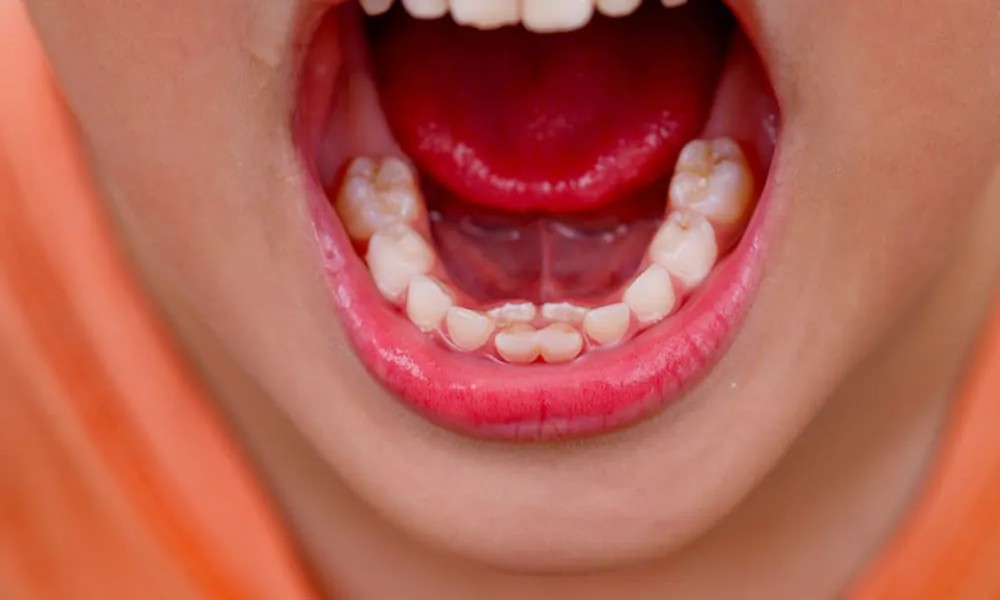
“Shark teeth” means a new adult tooth comes in behind a baby tooth that has not fallen out. The new tooth cannot push the baby tooth out. So it chooses the next open path and erupts behind it.
This often happens in two spots.
- Lower front teeth
- Upper front teeth
According to the Centers for Disease Control and Prevention tooth eruption chart, the lower front adult teeth usually come in around age 6 or 7. At that age, the jaw grows fast. Sometimes the baby’s roots do not dissolve in time. So the adult tooth comes in behind them.
In many children, this looks alarming. Yet it often improves once the baby tooth loosens or the jaw grows more.
What eruption bumps are
Eruption bumps are small, raised spots on the gum. They form when a tooth is pushing up from below. The bump can look pale, red, or bluish. It may look like a small blister.
You may see:
- A soft bubble over a tooth that is about to appear
- Mild swelling in one part of the gum
- A tiny amount of blood under the gum surface
The American Dental Association MouthHealthy guide on baby teeth explains that eruption cysts are common during teething. Most do not need treatment. A dentist still needs to check them to rule out infection or injury.
Common signs you may notice
You know your child best. Trust what you see. Common signs include three main changes.
- A double row of teeth in the front
- Food trapping between baby and adult teeth
- New bumps on the gums with mild soreness during brushing
Some children feel pressure when chewing. Others feel nothing. Pain is not a reliable guide. Even a quiet child can have a problem that needs care.
Shark teeth versus normal eruption
|
Feature |
Normal eruption |
“Shark teeth” |
|---|---|---|
|
Tooth position |
Adult tooth comes in under or right behind loose baby tooth |
Adult tooth comes in clearly behind a firm baby tooth |
|
Baby tooth movement |
Baby tooth feels loose and wiggly |
Baby tooth feels solid with little movement |
|
Gum look |
Mild redness where tooth erupts |
May see a taller ridge of gum behind baby teeth |
|
Common age |
Any normal eruption age |
Often ages 6 to 8 in front teeth |
|
Home care |
Normal brushing and flossing |
Extra cleaning and chewing on safe, firm foods |
|
Dental visit needed |
Routine checkups |
Prompt visit to check space and roots |
When you can watch and wait
Sometimes you can give nature time. You can often watch and wait when three things are true.
- Your child is around age 6 to 8
- The baby tooth is already loose
- Your child can chew without pain or strong pressure
In that case, you can encourage safe wiggling with a clean finger or gauze. You can offer crisp fruits and vegetables to help loosen the tooth. You still need a dentist to check the bite at the next visit.
When you need quick dental care
Contact a dentist soon if you see any of these.
- Baby tooth is not loose, while the adult tooth is halfway in
- Your child avoids chewing on one side
- Swelling grows or spreads
- Fever or general illness with gum swelling
- Bleeding that keeps coming back from the same spot
These signs can point to trapped teeth or infection. Early care can prevent crowding, pain, or speech problems later.
What a dentist will check
At the visit, the dentist will do three main checks.
- Look at how the teeth fit together when your child bites
- Test how loose each baby tooth is
- Review X-rays if needed to see roots and adult teeth
The dentist may recommend one of three paths.
- Watch and recheck in a few months
- Help the baby tooth loosen more
- Remove the baby tooth to clear space
Removal sounds harsh. In many cases, it is quick. Children often feel more relief than fear once pressure is gone.
How to care for eruption bumps at home
You can support healing with simple steps.
- Keep brushing twice a day with a soft brush
- Floss once a day if teeth touch
- Rinse with plain water after meals
You can give a cool washcloth for your child to bite if the gum feels sore. You can avoid hard candy or ice that can crack new teeth. You can follow any pain plan that your dentist or pediatrician suggests.
Helping your child feel safe
New teeth can stir up fear. Your child may feel worried about looking or sounding different. You can help by using three simple messages.
- “Your body is growing new teeth so you can chew strong foods.”
- “The dentist is here to guide your teeth into the right place.”
- “You did nothing wrong. Teeth grow on their own schedule.”
Calm, clear words lower fear. Children read your face and voice. When you stay steady, they feel safe.
Key message for parents
“Shark teeth” and eruption bumps look scary. They are common signs of a growing mouth. You still need quick dental guidance. Early checks protect your child’s bite, speech, and self-respect. With the right support, you can turn a frightening moment into a strong step in your child’s growth.