

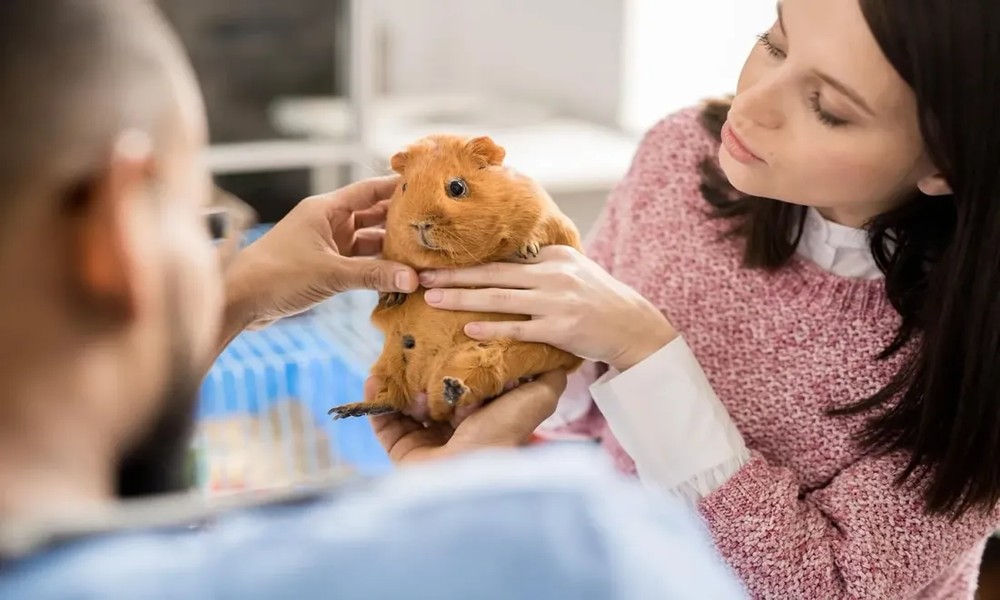
Exotic pets need specific care that many general clinics cannot give. Reptiles, birds, small mammals, and amphibians often hide pain. You may not see a problem until it is severe. Animal hospitals that handle exotic pets have staff who know these warning signs. They use special tools and testing for tiny bodies and fragile organs. This support can mean the difference between a short illness and a crisis. You gain a clear plan for diet, housing, and daily care. You also gain quick help during sudden changes in behavior or breathing. Some hospitals work with a veterinarian in Louisville, KY who understands rare species and complex needs. You should not guess with your pet’s life. Instead, you can rely on trained eyes, steady hands, and proven methods that protect your pet’s health and your peace of mind.
Exotic pets need different care than cats and dogs
Many people treat exotic pets like small versions of cats or dogs. That habit puts these pets at risk. Each group needs specific care.
|
Type of pet |
Main risk |
Common cause |
|---|---|---|
|
Reptiles |
Bone and shell disease |
Wrong light and low calcium |
|
Birds |
Breathing problems |
Poor air, smoke, or dusty cages |
|
Rabbits and rodents |
Teeth overgrowth |
Low fiber and few chew items |
|
Amphibians |
Skin and water issues |
Dirty tanks and wrong water |
General clinics often do not track these risks. Exotic animal hospitals build care around them. You get clear steps for food, light, water, and housing that fit your pet’s body, not a guess from a cat or dog plan.
Why exotic pets hide sickness
In the wild, a weak animal becomes prey. Many exotic pets keep that instinct. They hide pain. They act normal until they cannot. At that point, the illness may be far along.
You may see only small signs such as less movement, quieter sounds, or less food. An exotic animal hospital trains staff to spot these early changes. They measure weight, watch breathing, and check posture. They also know what normal looks like for each species. That knowledge turns a small clue into a clear warning.
The United States Department of Agriculture explains that prey species often mask signs of stress and sickness. You can read more about signs of stress in small animals in this guide from the National Agricultural Library.
Special tools and tests for small bodies
Exotic pets need care that fits their size and shape. A simple blood draw from a large dog is routine. The same task in a tiny bird or gecko can be dangerous without training and tools that match the species.
Exotic animal hospitals use
- Small scopes and imaging tools for tiny organs
- Scales that measure slight weight changes
- Safe ways to give oxygen or fluids to fragile bodies
They also use lab tests that match each species. A normal liver value for a parrot is not the same as for a dog. Staff at these hospitals know the right ranges. You get clear results instead of guesswork.
Routine visits prevent many crises
Regular wellness visits protect exotic pets. They give you three key gains.
- Early detection of silent disease
- Correction of food and housing before harm occurs
- Up to date vaccines and parasite control when needed
At each visit, staff can review your pet’s diet, light, temperature, and cage setup. Many crises start with small daily mistakes. Wrong heat, dry air, or poor food may not hurt right away. Over time, they wear down the body. Routine care catches these patterns and helps you change them.
The University of California, Davis School of Veterinary Medicine notes that many exotic pet illnesses come from poor husbandry. You can see their guidance on reptile and bird care.
Emergency care when every minute counts
When an exotic pet crashes, time is short. A bird on the cage floor, a snake that cannot right itself, or a rabbit that stops eating needs help now. Many general clinics do not keep the needed supplies for these cases.
An exotic animal hospital plans for these events. Staff know how to
- Stabilize breathing in small lungs
- Warm or cool the body at a safe rate
- Give pain relief that fits each species
They also know when your pet needs round-the-clock care. You gain a path forward instead of a rush to search for another clinic in the middle of a crisis.
How to choose an exotic animal hospital
You can use three simple steps to choose care.
- Confirm that the hospital lists your pet’s species on its website or phone message
- Ask how many exotic cases they see each week
- Check if they offer both routine and emergency care
You can also ask what training the staff have with exotic pets. You may hear about special courses, extra certificates, or work with zoos and wildlife groups. That background shows steady practice, not rare cases.
Your role in your exotic pet’s health
You play a central role in your pet’s survival. You see daily habits that no one else sees. You can protect your pet when you
- Watch for changes in eating, droppings, sound, or movement
- Keep a log of weight, temperature, and cage cleaning
- Bring photos of the cage and food to each visit
Then you and the hospital staff can work as a team. You bring close daily contact. They bring targeted knowledge and tools. Together you give your pet a fair chance at a stable, long life.
Exotic pets give quiet company and strong bonds. They also face risks that most people cannot see. An animal hospital that understands these species turns hidden danger into clear action. You gain clear guidance, faster treatment, and fewer emergencies. Your pet gains safety, comfort, and a better chance to stay in your home for many years.