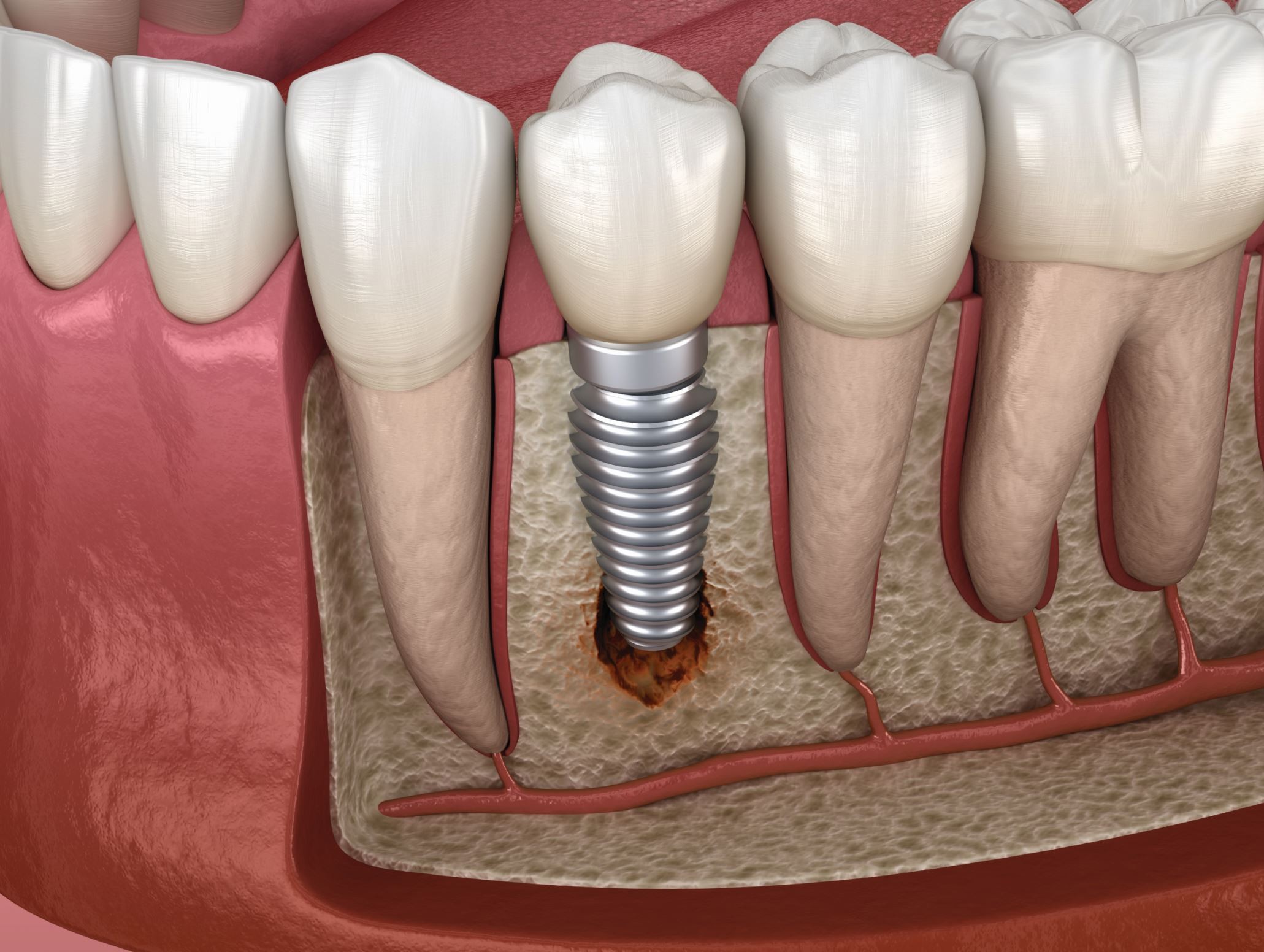
Dental implants can fail when gum disease is ignored. You may focus on the missing tooth and skip the health of your gums. That choice can cost you pain, money, and time. Periodontal treatment prepares your mouth so that implants have a stronger base. It lowers infection, protects bone, and supports long term healing. When you treat gum disease first, you give each implant a fair chance to last. This is true whether you lost one tooth or several. It is also true if you already struggle with bleeding gums or bad breath. If you are thinking about dental implants in Norristown, PA, you need to know why your gum health comes first. This blog shares four clear reasons periodontal care improves implant success. You will see what to ask your dentist, what to expect, and how to protect your investment.
1. Healthier Gums Lower Infection Risk Around Implants
Gum disease is a chronic infection. Bacteria sit around your teeth and under the gumline. That infection does not stop when you place an implant. It moves to the new metal root and the tissue around it. Then the bone and gum pull away. The implant can loosen and fail.
Periodontal treatment clears that infection before surgery. Your dentist or periodontist may:
- Clean deep under the gums with scaling and root planing
- Use local medicine in pockets around teeth
- Teach home care that targets bleeding spots
According to the National Institute of Dental and Craniofacial Research, untreated gum disease is a main cause of tooth loss in adults. You can see more on gum disease and treatment at the NIDCR gum disease page. When you control infection, the tissue around your future implant is calmer. That makes surgery safer and healing smoother.
2. Stronger Bone Gives Implants a Firm Base
Gum disease does not only hurt soft tissue. It also eats away the jawbone that holds teeth. If that loss continues, you may not have enough bone to support an implant. Even if an implant is placed, weak bone can shorten its lifespan.
Periodontal care slows bone loss. In some cases it can support bone growth. Your provider may use:
- Guided tissue procedures
- Bone grafts to rebuild thin spots
- Targeted cleaning to remove bacteria from bone surfaces
The American Dental Association explains that healthy bone is one key factor in implant success.
Here is a simple comparison that shows how periodontal treatment changes the bone and gum support picture.
| Condition Before Implants | With Untreated Gum Disease | With Periodontal Treatment |
|---|---|---|
| Bone height around site | Low. Ongoing loss over time | More stable. Loss slowed or managed |
| Gum pocket depth | Deep pockets that trap bacteria | Shallower pockets that are easier to clean |
| Inflammation and bleeding | Frequent bleeding and swelling | Less bleeding. Tissue calmer |
| Expected implant stability | Lower. Higher chance of movement | Higher. Firmer support over time |
This support matters every time you bite and chew. Strong bone and firm gums hold the implant steady. That protects the crown on top and the jaw below.
3. Better Everyday Cleaning Protects Your Investment
Implants do not decay. The crown will not get a cavity. Yet the gums around an implant can still get infected. This is called peri implant disease. It looks much like gum disease. The gums bleed and the bone around the implant can shrink.
Periodontal treatment does more than a single deep cleaning. It gives you a routine that you can follow every day. During treatment you learn how to:
- Use a soft brush along the gumline without scraping
- Clean between teeth and implants with floss, picks, or small brushes
- Rinse with products that help control bacteria when your dentist suggests it
With this training, you protect the tissue that surrounds each implant. You also gain control. You know what bleeding means. You know when to call for help. That reduces fear and surprise costs.
4. Treating Gum Disease Supports Your Whole Body
Gum disease is linked with other health problems. These include diabetes, heart disease, and issues in pregnancy. Inflammation in the mouth can reflect inflammation in the rest of the body. When you lower gum inflammation, you support your general health.
Healthier gums can mean:
- Better blood sugar control for many people with diabetes
- Less strain on the heart and blood vessels
- Lower risk of painful infections that spread
You may need medical clearance before implant surgery if you have long term health conditions. When you treat gum disease first, you show your medical team that you take infection control seriously. That step can make surgery planning safer and more clear.
How to Talk With Your Dentist About Periodontal Treatment
You do not have to know every term before you walk into the office. You only need a short list of direct questions. Here are three to start:
- Do I have any signs of gum disease that could affect an implant
- What periodontal treatment do you recommend before implant surgery
- How will we track my gum and bone health over time after placement
Ask your provider to show you your x rays. Ask them to point out bone levels and any pockets. Clear pictures can help you decide where to start and how fast to move.
Taking the Next Step
Dental implants can restore chewing and speech. They can also protect your jaw structure when placed in a healthy mouth. Periodontal treatment is not an extra step. It is part of building a safe base for that new tooth.
When you treat gum disease first, you:
- Cut the risk of infection around the implant
- Protect bone and gum support
- Learn daily habits that keep the implant stable
If you are thinking about dental implants, start with a full gum and bone check. Ask for a clear plan that addresses disease before surgery. That plan can spare you pain, more visits, and extra cost. It also gives your future implant the best chance to last.