

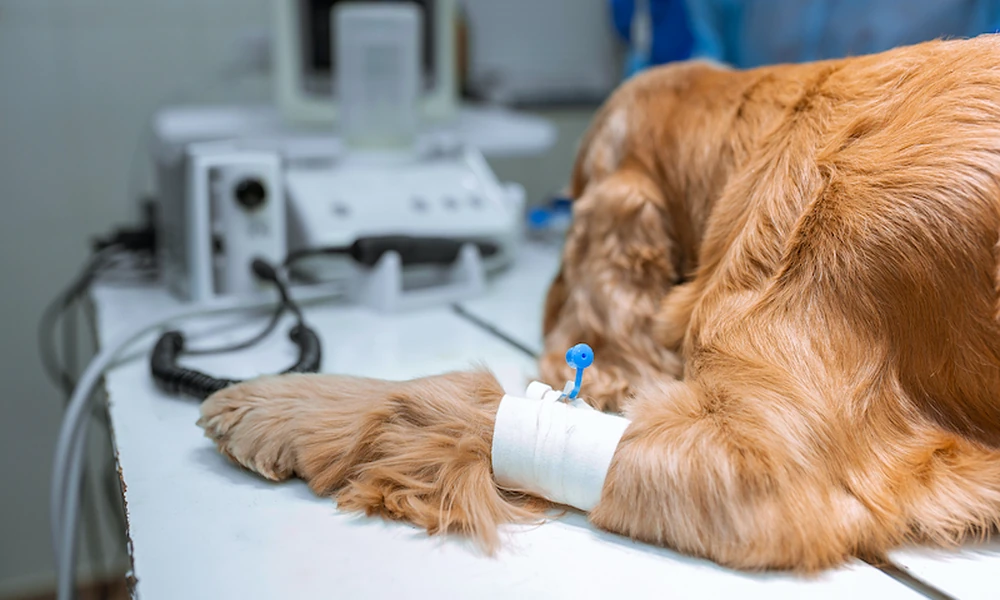
You might be feeling a mix of worry and confusion right now. Maybe your Newmarket vet mentioned a procedure your pet needs, and you nodded along in the exam room, then got home and thought, “Wait, what does that actually mean for my dog or cat?” You love your animal, you want to do the right thing, and yet the medical words, the costs, and the unknowns can feel heavy.
It often starts with something small. A routine checkup turns into a recommendation for surgery. A simple dental cleaning comes with a discussion about anesthesia. Your cat starts limping, or your dog stops eating, and suddenly you are hearing about X-rays and lab tests. Because of this tension, you might wonder if you are missing something important, or if everyone else understands this world of animal medicine better than you do.
Here is the short version. Most care in an animal clinic centers around a few core procedures. Understanding four of the most common ones can calm a lot of the fear. These are spaying and neutering, vaccinations and preventive care, dental cleanings, and diagnostic or anesthesia-based procedures. When you know what they involve, what they cost emotionally and financially, and what questions to ask, you stop feeling lost and start feeling like a true partner in your pet’s care.
Why do so many pets need procedures at the vet, and what makes it feel so stressful?
The first challenge is emotional. Your pet cannot tell you how they feel, so you are already guessing. When a vet recommends surgery or any procedure, it can feel like a leap of faith. You might worry about pain, about anesthesia, about your pet being scared without you in the room. You might even feel guilty, as if you are “putting them through” something unnecessary.
The second challenge is financial. Procedures are often more expensive than a simple exam. You might be trying to balance rent, kids, bills, and now a few hundred or even a thousand dollars for your dog or cat. You may catch yourself wondering if you are a bad owner for asking about cost, or for needing time to think.
The third challenge is information. You may hear terms like “pre-op bloodwork,” “scaling and polishing,” or “soft tissue surgery” and feel like you should understand them already. Because you feel behind, it can be hard to speak up. So where does that leave you?
It helps to walk through the four most common procedures, one by one, and connect them with the real fears you might have.
1. Spaying and neutering: is it really necessary for my pet?
Spaying (for females) and neutering (for males) are among the most common animal clinic procedures. At first, it can sound like an optional choice about preventing puppies or kittens. In reality, it is also about long-term health and behavior.
Spaying can lower the risk of certain cancers and infections in female pets. Neutering can reduce roaming, spraying, and some aggressive behaviors in males. Many owners worry about changing their pet’s personality, but most animals stay just as loving and playful. The American Veterinary Medical Association explains the health and population benefits of spaying and neutering in more detail, and that can give you extra peace of mind. You can read more through this trusted overview of spaying and neutering.
The agitation point often comes when you hear the word “surgery.” You may picture your pet lying on a table, under anesthesia, without you. That image alone can make your chest tighten. The reality is that spay and neuter surgeries are routine for most clinics. The team does them often, with set protocols for pain control and monitoring. It is still normal to be anxious. It just means your bond with your pet is strong.
2. Routine medical care and vaccines: what is really essential?
Another large part of common veterinary procedures involves prevention. Vaccines, parasite control, and regular exams are not dramatic, but they quietly protect your pet from diseases that can be painful, expensive, or even fatal.
You might struggle with questions like “Does my indoor cat really need vaccines?” or “Is all this heartworm and flea stuff overkill?” These are fair questions. Preventive care is not free, and the benefits can feel invisible when your pet seems fine. The Small Animal Community Practice at Cornell outlines how routine care, vaccinations, and regular checkups fit together to support long-term health. You can explore their explanation of community practice medical care for pets to see how your vet’s recommendations compare.
The emotional challenge here is subtle. It is hard to prioritize something that does not feel urgent. Yet many emergencies start as preventable problems. When you keep up with vaccines, fecal checks, and wellness bloodwork, you are buying down risk. You are giving your pet a better chance to avoid sudden crises that are far scarier and more expensive.
3. Dental cleanings: is it really “just teeth” or something more?
Dental cleanings are another very common service in an animal hospital. You might notice bad breath or tartar but feel unsure about a full cleaning under anesthesia. After all, you do not go under anesthesia for your own dental cleanings, so why does your pet need it?
The answer is access and safety. Animals will not sit still with their mouth open and allow deep cleaning under the gumline. Without anesthesia, the vet cannot safely remove plaque, take dental X-rays, or extract painful, diseased teeth. What looks like “just a cleaning” is often relief from chronic pain your pet has been hiding. Many owners are shocked at how much brighter, more active, or more playful their pet seems after dental issues are addressed.
The main fear is often anesthesia. That is understandable. You might worry, “What if they do not wake up?” Modern veterinary medicine uses pre-anesthetic exams, bloodwork, and monitoring to lower that risk. No procedure is zero risk, but the risk of leaving painful dental disease untreated is often higher than the risk of anesthesia itself.
4. Anesthesia and diagnostic procedures: how safe is it for my pet?
X-rays, ultrasounds, biopsies, and some minor surgeries often involve sedation or anesthesia. This is where many owners feel the most scared. The word “anesthesia” can trigger images of worst-case scenarios, especially if you have heard a story from a friend or online.
Washington State University’s veterinary hospital shares helpful information about how anesthesia is used and monitored in pets, which can take some of the mystery away. You might find it reassuring to read their explanation of pets and anesthesia safety before your pet’s procedure.
There are risks, especially for very young, very old, or medically fragile animals. The solution is not to avoid anesthesia entirely, but to have a clear conversation about screening tests, monitoring, and pain control. When you understand what will happen before, during, and after, your fear has something to hold onto instead of spiraling.
How do benefits and risks compare for common animal clinic procedures?
It can help to see some of this laid out side by side, so your decisions feel less abstract and more grounded in reality.
| Procedure Type | Main Benefits | Common Concerns | Typical Vet Conversation Starters |
|---|---|---|---|
| Spay / Neuter | Prevents unwanted litters. Lowers risk of some cancers and infections. Can reduce roaming and certain behaviors. | Fear of surgery and anesthesia. Worry about personality changes. Cost of procedure. | “What are the specific health benefits for my pet’s breed and age?” “How do you manage pain and monitor anesthesia?” |
| Vaccines & Preventive Care | Protects from serious diseases. Reduces parasite risk. Helps catch problems early. | Ongoing cost. Confusion about which vaccines are truly needed. Worry about side effects. | “Which vaccines are core for my pet’s lifestyle?” “What side effects should I watch for at home?” |
| Dental Cleaning | Relieves oral pain. Prevents tooth loss and infection. Can improve appetite and energy. | Fear of anesthesia. Questioning if the procedure is necessary. Sticker shock at estimate. | “Can you show me which teeth are affected?” “What is the risk of waiting 6 to 12 months?” |
| Anesthesia & Diagnostics | Allows accurate diagnosis. Enables safe surgery and treatment. Guides long-term care plans. | Fear of complications. Worry about fragile pets. Anxiety about what the results might show. | “How do you assess anesthesia risk?” “What decisions will these test results help us make?” |
What can you do right now to feel more confident about your pet’s procedure?
1. Ask for a simple, step-by-step explanation
You are allowed to say, “Can you walk me through exactly what will happen, in plain words?” A good veterinary team will explain when your pet is admitted, what tests are run before the procedure, how anesthesia or sedation is managed, and what recovery will look like at home. Hearing the steps in order often shrinks the fear in your mind.
2. Talk openly about money and options
Cost is part of real life. You can ask for a written estimate, including best case and worst case ranges. You can also ask, “Is there anything that can be safely postponed?” or “Are there staged options that still protect my pet’s health?” Many clinics can prioritize what is urgent and what can wait, which gives you room to plan.
3. Prepare for aftercare before the procedure
Recovery can be smoother when you plan ahead. Ask what your pet will need at home. Will they need a quiet room, special food, or an Elizabethan collar. Will you need to lift them, give medications, or watch for certain signs. Write these instructions down or ask the clinic to print them for you. Knowing what to expect after the procedure can be just as calming as understanding the procedure itself.
Moving forward with care and confidence
You are not overreacting by feeling anxious about surgery, anesthesia, or any medical procedure for your pet. It simply means you care deeply. When you understand the most common 4 common procedures performed in animal clinics, you can ask clearer questions, weigh risks and benefits, and make choices that match both your values and your budget.
Your vet’s office is not just a place for emergencies. It is a partner that can walk beside you through spaying or neutering, routine vaccinations, dental care, and more advanced diagnostic work when needed. With the right information and a bit of courage to speak up, you and your pet do not have to face these decisions in the dark.