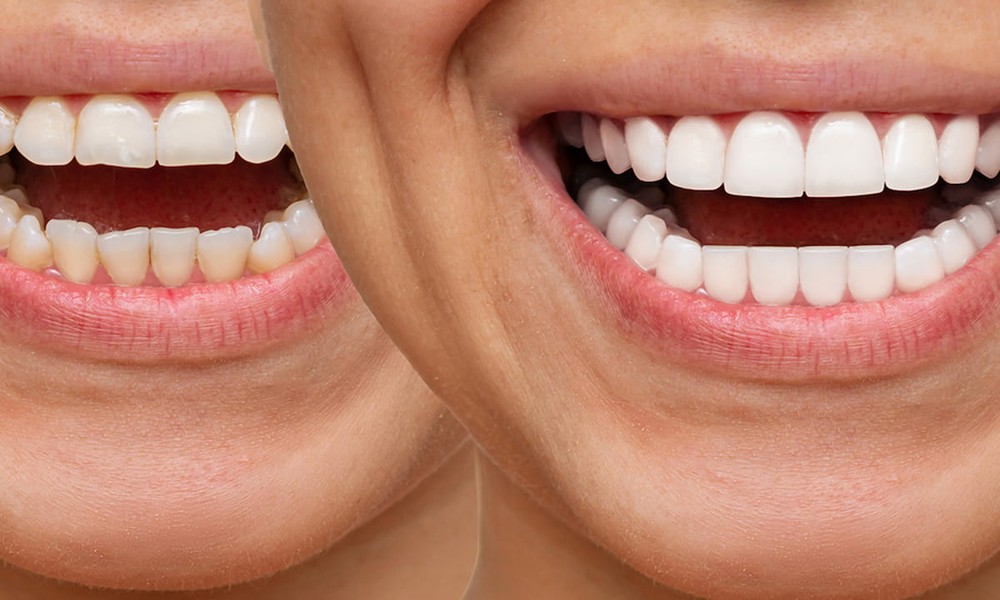
Smiles change as you age. Teeth darken. Edges chip. Old fillings show. You may feel uneasy when you look in the mirror or see photos. You are not alone. Families often search for one solution that fits a teen, a busy parent, and an older grandparent. That is possible. A skilled West Tampa dentist can use safe cosmetic options that respect your age, health, and budget. The right care can brighten worn teeth, close small gaps, and smooth uneven edges. It can also protect weak spots so you can chew with confidence. You deserve a mouth that feels strong and looks clean. You also deserve clear facts, not pressure. This guide explains three cosmetic dentistry options that work well for many ages. You will see what each one does, how long it lasts, and what to expect during care.
Why many ages seek the same three options
Teens want a clean, even smile for school and social life. Adults want teeth that match how they feel inside. Older adults want comfort and strength. These needs are different. Still, three treatments often rise to the top for all groups.
- Professional teeth whitening
- Tooth bonding
- Porcelain veneers
Each choice can change color, shape, or have small defects. Each one can fit into a normal routine. You can see clear changes without complex surgery.
Option 1: Professional teeth whitening
Whitening removes stains from coffee, tea, smoking, and age. It keeps the natural shape of your teeth. It can help a teen with dark spots from braces. It can help a parent who drinks coffee. It can help a grandparent with long-term staining.
Office whitening uses a safe gel on the teeth. Home whitening uses custom trays with a lower strength gel. Both aim for a lighter but still natural shade.
- Strong match for: teens with healthy teeth, adults with stains, many older adults
- Helps with: yellow or brown stain, uneven color
- Does not help with: large chips, gaps, or gray teeth from injury
The American Dental Association shares guidance on whitening products and safety at the MouthHealthy whitening page. That resource explains how to avoid harm to enamel and gums.
Option 2: Tooth bonding
Bonding uses a tooth colored resin to fix small flaws. The dentist shapes the resin on the tooth and hardens it with a light. It often takes one visit. Bonding works well for a wide age range because it removes little or no enamel.
Bonding can:
- Fill small chips and worn edges
- Close tiny gaps between teeth
- Cover single dark spots or white spots
- Change the shape of a short tooth
Teens often use bonding to fix sports chips. Adults use it to repair wear from grinding. Older adults use it to cover exposed root surfaces near the gum line.
Option 3: Porcelain veneers
Veneers are thin covers that attach to the front of teeth. They change color, shape, and alignment at the same time. Veneers need careful planning and more visits than bonding or whitening. They are also harder to reverse.
Veneers can help when:
- Whitening does not change deep stains
- Many teeth have chips or cracks
- Teeth look short or uneven
- Minor crowding or spaces affect the smile
Veneers often work best for adults whose teeth and gums are stable. Teens may need to wait until growth stops. Older adults can use veneers if gums are healthy and there is enough enamel for bonding.
Comparison table: which option fits your family
|
Treatment |
Main purpose |
Common age groups |
Typical visits |
General longevity |
Reversible |
|---|---|---|---|---|---|
|
Professional whitening |
Lighten tooth color |
Teens, adults, older adults |
1 to 3 visits |
Months to a few years with touch-ups |
Yes |
|
Tooth bonding |
Fix chips and small gaps |
Teens, adults, older adults |
1 visit for most teeth |
Several years with care |
Partly |
|
Porcelain veneers |
Change color and shape |
Adults and some older adults |
2 to 3 visits |
Many years with care |
No |
Safety and health across generations
Cosmetic care must respect basic health. The dentist should check for cavities, gum disease, and grinding before any of these options. Whitening on a mouth with decay can cause pain. Bonding or veneers on weak teeth can break.
For teens, the dentist should confirm that adult teeth are fully in place. For pregnant adults, the dentist may delay some cosmetic work. For older adults, the dentist should look at medications that dry the mouth and raise the risk of decay.
Each plan should include steps to protect enamel and gums. That includes fluoride, cleanings, and mouthguards if you grind.
Questions to ask your West Tampa dentist
Clear questions help you choose well. You can ask:
- What problem are we solving for each person in my family
- Which of the three options fits that problem
- How will this affect chewing and cleaning
- How long should the result last with normal care
- What are the risks or trade offs
- What will this look like if we do nothing right now
Strong decisions come from honest talk. You deserve open answers in plain words.
Taking the next step for your family
Cosmetic dentistry is not about chasing perfection. It is about comfort, function, and pride when you smile. Whitening, bonding, and veneers can each support that goal for many ages. They offer different levels of change, cost, and time.
You can start with a simple checkup. You can bring your questions and your worries. You can ask about whitening for a teen, bonding for a chipped tooth, or veneers for worn front teeth. With clear guidance, your family can choose the option that fits your needs, not someone else’s ideal.