

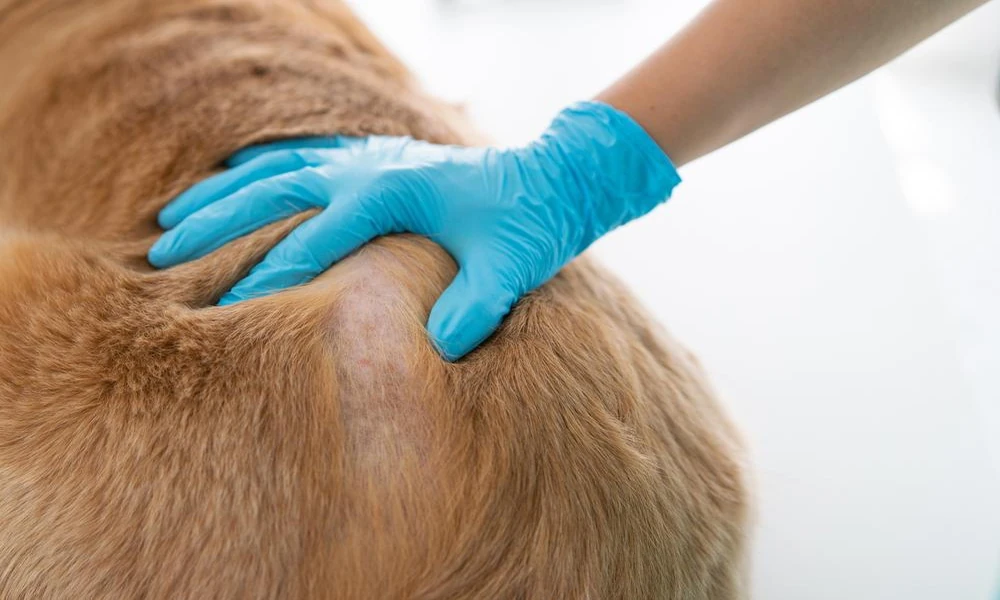
You might be feeling worn down by it already. It starts with a little scratching, a few flakes on the couch, maybe a hot spot or some hair loss, and before long you are watching your pet chew, lick, and itch through the day and night. That kind of change is hard to ignore, especially when your cat or dog seems uncomfortable and you are not sure whether it is allergies, infection, parasites, or something deeper, so visiting a veterinarian in Bakersfield, CA can help. The good news is that How Cat And Dog Hospitals Manage Skin And Coat Disorders usually follows a clear path. They look for the cause, treat the skin itself, ease the itching, and help you prevent it from coming back.
Skin and coat problems can look simple from the outside, but they often have layers. A red patch may be tied to fleas. Constant licking may point to food sensitivity. Greasy skin, odor, scabs, and bald spots can also show up when bacteria or yeast take hold after the skin barrier has already been weakened. Because of that, quick fixes at home do not always solve the real problem, and that can leave you feeling stuck.
Why do skin and coat problems in pets become so persistent?
The hard part is that many skin issues look alike at first. A dog with allergies may scratch the same way a dog with mites does. A cat with a skin infection may groom so much that it seems like a behavior issue when it is really pain or itch driving the habit. So where does that leave you? It means the first job of a cat and dog animal hospital is not just to calm the symptoms. It is to sort out what is causing them.
That work often begins with a hands on exam and a close history. When did the itching start. Is it seasonal. Has your pet changed food, bedding, shampoo, or medication. Are there fleas in the home. Has the skin developed a smell, bumps, or drainage. Those details matter because pet skin and coat treatment is much more effective when it targets the source instead of guessing.
Hospitals may use skin scrapings, cytology, flea checks, fungal testing, or diet trials to narrow things down. If a bacterial infection is suspected, your veterinarian may look for signs of pyoderma. The University of Illinois explains how pyoderma and skin infections in dogs and cats can range from surface irritation to deeper infection that needs focused care. That matters because what looks like a simple rash can become much more painful, much more expensive, and much harder to clear if it lingers.
What does a cat and dog hospital actually do to treat skin and coat disorders?
Once the likely cause is clearer, treatment usually has more than one part. One piece is relief. If your pet is miserable, the hospital may recommend medication, medicated baths, ear treatment if the ears are involved, or changes in flea control right away. Another piece is repair. The skin needs time and support to heal, whether that means antibiotics for infection, antifungal care, parasite treatment, or nutrition changes to improve the coat and skin barrier.
There is also prevention, and this is where many cases either improve for good or keep cycling back. If your dog has flea allergy dermatitis, missing even one month of prevention can undo progress. If your cat reacts to a certain protein, random treats can restart the itch. If bathing is part of care, the shampoo, timing, and rinse process all matter. The USDA APHIS resource on common canine skin conditions shows just how many problems can overlap, from allergic disease to parasites and infections.
This is why animal hospital skin disorder care often feels more detailed than people expect. It is not just a cream and a hope for the best. It is a plan built around your pet’s pattern, comfort, and risk of flare ups.
Should you try home care first or seek professional help?
There is nothing wrong with wanting to help at home. Most people do. The trouble comes when home care delays the right diagnosis or masks a problem that is getting worse underneath. A pet who keeps scratching can break the skin, invite infection, and end up needing much more treatment than they would have needed a week earlier.
| Approach | What It Can Help With | Limits and Risks |
|---|---|---|
| Basic home care | Keeping fleas controlled, using vet approved gentle bathing, preventing licking with a cone, tracking symptoms | Does not confirm the cause, may miss infection, mites, ringworm, or food reactions |
| Over the counter products | May give short term relief for mild dryness or minor irritation | Some products irritate skin further, some are unsafe for cats, and some hide symptoms without treating the source |
| Cat and dog hospital evaluation | Finds the cause, treats infection or parasites, builds a prevention plan, reduces repeat flare ups | Requires an exam and follow through at home, may involve testing |
If your pet has open sores, a bad odor, pus, ear debris, sudden hair loss, or nonstop itching, waiting can cost more in the long run. It can also mean more discomfort for your pet, and that is usually the part people feel most deeply.
What can you do right now if your pet’s skin looks worse every day?
1. Start a simple symptom log. Write down when the itching happens, where your pet is licking or scratching, what the skin looks like, and any food or environment changes. Photos help. This gives your veterinarian a better picture and can shorten the path to answers.
2. Stop the cycle of irritation. Keep up flea prevention, avoid switching shampoos without guidance, and use an e collar if your pet is chewing the area raw. Even the best treatment has a harder time working if the skin keeps getting traumatized.
3. Get a veterinary exam before the problem spreads. This is especially important if there is redness, odor, scabbing, discharge, pain, or hair loss. Early care for skin and coat disorders in pets is often simpler, less costly, and easier on your pet.
When does relief start to feel possible again?
Usually once you have a real diagnosis, things begin to make more sense. The scratching has a reason. The odor has a reason. The coat changes have a reason. And when you know the reason, treatment stops feeling like guesswork. That shift alone can ease a lot of stress.
If your cat or dog is dealing with skin trouble, coat changes, or constant itching, do not brush it off as something minor that will probably pass. A cat and dog animal hospital can help uncover what is going on and build a plan that gives your pet comfort and gives you clarity. The sooner you act, the sooner healing can begin.