

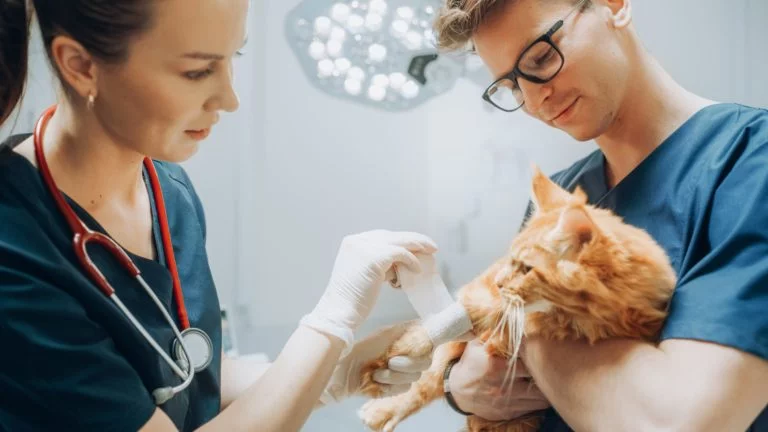
You might be feeling that strange mix of worry and helplessness that shows up when your pet has to stay at the hospital overnight. One minute you are watching every breath, every blink, every small movement, and the next you are heading home without them, wondering who will notice if they seem restless, cold, scared, or in pain. That is a hard handoff, even when you trust the team caring for them, including a veterinarian in Vestavia Hills.
The good news is that overnight care is not just about monitoring machines and giving medicine on schedule. In a well-run veterinary hospital, comfort is part of treatment. Pets heal better when pain is controlled, stress is reduced, and their basic needs are handled with care. If you have been searching for overnight pet hospital care answers, the short version is simple. Veterinary teams focus on pain relief, close monitoring, warmth and bedding, hydration and nutrition, calm handling, and fast response if a pet’s condition changes.
Why does overnight comfort matter so much in a veterinary hospital?
When a pet stays overnight, they are already dealing with something difficult. It may be recovery after surgery, trouble breathing, severe vomiting, trauma, or a medical crisis that needs constant observation. Because of this tension, you might wonder whether comfort is really separate from medical care. It usually is not.
A painful or frightened pet may not rest well, may resist handling, and may even have changes in heart rate, breathing, and blood pressure. That can make recovery harder. Hospitals know this, which is why many use layered care plans that combine treatment with comfort measures. For example, strong pain control is often guided by veterinary anesthesiology teams, like those described by Ohio State’s anesthesiology service, where pain management is treated as a key part of patient support.
So, what are the main ways hospitals keep pets comfortable through the night?
How do veterinary hospitals reduce pain and anxiety overnight?
The first and most direct way is pain control. Pets recovering from surgery, injury, or illness may receive medications through an IV, by injection, or by mouth, depending on what is safest and most effective. Teams also watch for less obvious signs of pain, like panting, tense posture, restlessness, or refusing to settle.
Anxiety matters too. Some pets do better with a quieter setup, fewer disruptions, soft handling, or medications that ease fear without causing problems for their condition. A dog with a painful abdomen, for example, may need a very different plan than a cat recovering from a dental procedure. Comfort is not one size fits all.
What does close monitoring look like during overnight pet hospital care?
Monitoring is one of the biggest reasons a pet is kept overnight in the first place. In emergency and critical care settings, staff may check temperature, pulse, breathing, blood pressure, oxygen levels, and pain scores at regular intervals. If a pet is unstable, those checks can be even more frequent.
Facilities with emergency and intensive care support, such as the Penn Vet intensive care unit, are built around this kind of watchful care. That matters because comfort can change quickly. A pet who was resting well at 10 p.m. may need more pain relief, a bedding adjustment, or immediate treatment by midnight.
This is where peace of mind often comes from for owners. Someone is there to notice the small things before they become big things.
Can warmth, bedding, and hydration really make that much difference?
Yes, often more than people expect. Sick or recovering pets can lose body heat easily, especially after anesthesia or during serious illness. Warm blankets, heating support when appropriate, dry bedding, and careful repositioning can prevent added stress and help them rest.
Hydration is another quiet but important part of comfort. A pet who is dehydrated may feel weak, nauseated, or generally unwell. IV fluids can help support circulation and recovery, while also making a pet feel better overall. In some cases, nutrition support matters too, especially if a pet has not eaten for a while or has a condition that calls for careful feeding.
The University of Florida’s intensive care unit reflects this broader approach, where critical patients receive both medical treatment and around-the-clock supportive care.
What are the 6 ways veterinary hospitals keep patients comfortable overnight?
Here are the six methods most often used in a pet hospital overnight stay setting.
1. Pain medication tailored to the pet’s condition and response.
2. Frequent monitoring so changes are caught early.
3. Warm, clean bedding and help with positioning or mobility.
4. IV fluids, nutrition support, and nausea control when needed.
5. Calm handling to reduce fear and overstimulation.
6. Fast access to emergency treatment if symptoms worsen.
How does overnight hospital care compare with care at home?
Sometimes owners wonder if their pet would be more comfortable at home. That can be true for mild issues, but not always for pets who need close observation or rapid treatment. The difference usually comes down to what your pet needs during the night, not what feels emotionally easier in the moment.
| Care Setting | Best For | Comfort Benefits | Limits |
|---|---|---|---|
| Home care | Stable pets with mild symptoms and clear instructions | Familiar space, less noise, owner nearby | No continuous monitoring, delayed response if symptoms change |
| General overnight hospitalization | Post-op recovery, dehydration, pain control, ongoing observation | Medication on schedule, bedding support, staff checks | Less personal than home, some pets need time to settle |
| ICU or emergency overnight care | Unstable or critical pets | Continuous monitoring, rapid intervention, advanced support | Higher cost, more intensive environment |
What can you do right now if your pet may need to stay overnight?
Ask how pain and anxiety will be managed. It is reasonable to ask what signs the team will watch for, how often medications are reassessed, and whether your pet’s temperament changes the plan.
Share your pet’s normal habits. Tell the staff if your dog is calmer with a towel over the kennel door, if your cat hides when scared, or if certain handling triggers stress. Small details can shape a better night.
Get clear update expectations. Ask when you will hear from the hospital, what changes would prompt a call, and what the likely goals are by morning. Knowing the plan can lower some of the overnight worry.
Where does that leave you tonight?
If your pet needs to stay in the hospital overnight, it is normal to feel unsettled. You are not overreacting, and you are not doing something wrong by leaving them in skilled hands. In many cases, staying overnight is the safest and kindest option because it gives your pet the comfort, monitoring, and treatment they cannot get at home during a hard stretch.
When you speak with the care team, ask direct questions about comfort, pain control, and monitoring. That conversation can tell you a lot, and it can help you breathe a little easier while your pet gets through the night.