

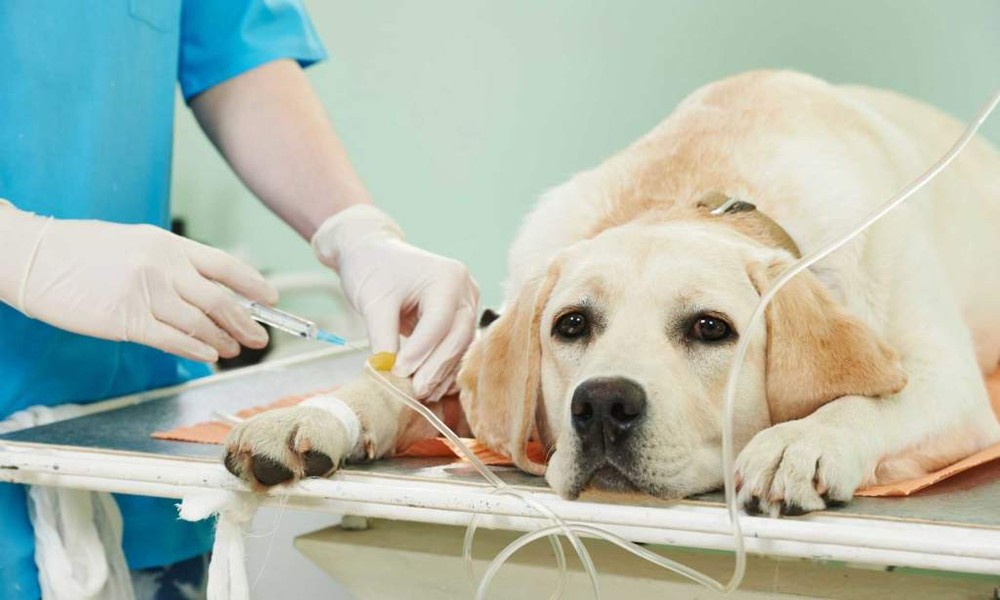
You might be staring at your pet on the exam table at Burlington animal hospital, hearing the word “anesthesia,” and feeling your stomach drop. Maybe your dog needs a lump removed, or your cat needs a dental cleaning, and what worries you is not the procedure itself, but the thought of them being “put under.” You are not overreacting. You love them, and the idea of losing control, even for a short time, can feel frightening.end
Because of this fear, you might be wondering how animal hospitals keep anesthesia safe, what actually happens once your pet is taken to the back, and how you can be sure the team is doing everything possible to protect them. The short answer is that modern veterinary anesthesia safety is far more advanced, monitored, and individualized than most people realize. Animal hospitals follow a series of careful steps before, during, and after anesthesia to reduce risk and keep your pet comfortable.
This guide walks through those steps in plain language, so you understand what to ask, what to look for, and where your power lies as a concerned pet owner. You do not need to become a medical expert. You just need a clear picture of how good hospitals think about risk, monitoring, and pain control, and how you can partner with them.
Why does anesthesia for pets feel so scary, and is that fear justified?
It often starts with a single phrase. “We recommend a procedure under anesthesia.” Your mind jumps straight to “What if they do not wake up?” Maybe you have heard a story about a neighbor’s pet, or you remember an older animal who struggled after surgery. Those memories make every new recommendation feel heavier than it might be on paper.
The worry is understandable. Anesthesia is not zero risk. Age, heart disease, kidney problems, or even stress can affect how an animal handles drugs. Cost adds another layer. You may be offered extra pre-anesthetic tests or monitoring and wonder if they are truly necessary or just “nice to have.” You might feel torn between protecting your pet and protecting your finances.
So where does that leave you? Stuck between fear of the procedure and fear of what happens if you avoid it. An untreated dental infection can damage the heart and kidneys. A lump that is never removed cannot be tested. Pain that is never addressed quietly wears a pet down. Anesthesia is often the bridge to a healthier, more comfortable life, which is why good animal hospitals work so hard to make that bridge as safe as possible.
What do safe anesthesia practices in animal hospitals actually look like?
Safe anesthesia is not just one machine or one drug. It is a process. A thoughtful anesthesia protocol for animals starts long before your pet receives any medication and continues well into recovery.
1. Thorough pre-anesthetic evaluation
The team starts by learning your pet’s story. They take a detailed history, asking about coughing, exercise tolerance, changes in thirst or urination, previous reactions to drugs, and any ongoing medications or supplements. They perform a physical exam, listening to the heart and lungs, checking gums, palpating the abdomen, and assessing body condition.
Bloodwork is often recommended. It helps screen for hidden liver or kidney problems and checks red and white blood cells and platelets. In some cases, chest X-rays or an echocardiogram are advised, especially for older pets or those with known heart issues. Advanced centers, such as the anesthesia and pain medicine service at Cornell’s animal hospital, use this information to customize drugs and doses for each patient. You can see how they describe their approach through their anesthesiology services overview.
From this information, the veterinarian classifies your pet’s anesthetic risk and chooses a plan that aims to support their specific needs rather than using a one-size-fits-all recipe.
2. Tailored drug choices and careful induction
Once in the hospital, your pet usually receives a premedication. This often includes a sedative and pain medication to reduce anxiety and lower the amount of anesthesia gas needed later. Calmer patients need fewer drugs and maintain more stable vital signs.
Induction is the step where your pet goes from awake to asleep. This is typically done with an injectable drug given through an intravenous catheter. The catheter is both a safety net and a lifeline. It allows the team to adjust medications quickly, provide fluids, and respond right away if blood pressure dips or heart rate changes.
After induction, a breathing tube is placed to protect the airway and deliver oxygen and anesthetic gas in a controlled way. The goal is always the same. Keep your pet deeply enough asleep that they feel no pain and do not remember the procedure, yet not so deep that their organs struggle.
3. Continuous monitoring by trained staff
Once your pet is under anesthesia, the real work begins. Safe animal hospitals pair technology with human attention. A trained technician or veterinary nurse stays with your pet, watches trends on the monitors, and checks them physically.
Monitors track heart rate, rhythm, blood pressure, oxygen levels, breathing rate, and often body temperature and carbon dioxide levels. If anything starts to drift, the team can adjust the gas, give fluids, warm your pet, or change positioning. Specialty centers, such as the anesthesia service at Tufts’ Foster Hospital for Small Animals, describe this kind of close monitoring as standard care, not a luxury. Their approach is outlined in their page on anesthesia services for small animals.
4. Pain management and smooth recovery
Safe anesthesia does not end when the machine is turned off. Good hospitals plan for pain control before the first incision and continue it through recovery. This might include local nerve blocks, anti-inflammatory medications, and opioids when needed. The goal is to wake your pet gently, with controlled pain and minimal nausea.
During recovery, staff watch for breathing quality, gum color, temperature, and comfort. They adjust blankets, warming devices, and medications so your pet is not only alive and stable, but also as comfortable and calm as possible.
How do risks and safeguards compare for different anesthesia approaches?
You might be weighing different options or hearing terms like “sedation only” or “general anesthesia” and trying to understand what is safer. The truth is that safety depends on the patient and the procedure. Still, there are helpful patterns to consider when you talk with your veterinarian.
| Aspect | Mild Sedation | Full General Anesthesia |
|---|---|---|
| Typical uses | Short imaging, minor wound care, simple X-rays | Surgeries, dental cleanings, longer or painful procedures |
| Awareness level | Drowsy but may respond to touch or sound | Unconscious, no awareness of procedure |
| Airway control | Usually breathing on their own without a tube | Breathing tube placed, oxygen and gas controlled |
| Monitoring needs | Basic monitoring, often fewer parameters | Continuous monitoring of heart, lungs, blood pressure, oxygen |
| Risk for healthy young pets | Low, but still present | Low when properly planned and monitored |
| Risk for older or sick pets | Depends on disease and level of sedation | Higher, but can be managed with tailored protocols and extra support |
| Pain control | Limited for more invasive procedures | Allows better pain control during and after surgery |
This comparison is not meant to push you toward one option. It is meant to give you language for a more grounded conversation. You can ask, “Given my pet’s age and condition, which approach offers the best balance of comfort and safety, and how will you monitor them?”
What can you do right now to protect your pet during anesthesia?
1. Ask clear questions about the anesthesia plan
You do not need to accept a vague “We will take good care of them.” Ask specific questions, such as:
- Who will be monitoring my pet during anesthesia and what training do they have
- What kind of monitoring equipment will you use
- What pre-anesthetic tests do you recommend and why
- How will you manage pain during and after the procedure
- How will you support my pet if blood pressure drops or breathing changes
A good team will answer in calm, concrete terms. Their ability to explain builds trust, and it also gives you a sense of how seriously they take safe animal hospital anesthesia protocols.
2. Be honest about your pet’s history and home behavior
You know your pet better than anyone. Share what you see at home, even if it seems small. Mention coughing after exercise, fainting spells, changes in drinking or urination, past reactions to vaccines or medications, or any supplements you give. These details help the team spot subtle risks and adjust the plan.
If your pet gets very stressed at the clinic, ask about pre-visit medications or quiet admission times. Reducing stress can improve heart rate, breathing, and blood pressure, which supports safer anesthesia.
3. Plan for aftercare and watch recovery closely
Safe anesthesia continues once your pet is back home. Before discharge, ask:
- What signs of trouble should I watch for tonight and tomorrow
- Whom do I call if I notice breathing changes, extreme lethargy, or whining
- How should I give pain medications and what side effects are expected
Set up a quiet, warm place for your pet to rest. Follow feeding instructions, keep stairs and jumping to a minimum if advised, and watch their breathing and comfort level. If something feels off, call. You are not being dramatic. You are being protective.
Moving forward with more confidence and less fear
You may still feel nervous about anesthesia, and that is okay. Concern means you care deeply. Now you also know that modern anesthesia care for pets is a thoughtful process built on preparation, monitoring, and recovery, not just a single injection and hope.
Your role is to choose an animal hospital that takes these steps seriously, ask clear questions, share what you know about your pet, and stay engaged through recovery. When you do that, you give your pet the best chance at a safe procedure and a more comfortable life on the other side of it.
You do not have to walk into the next appointment in the dark. Bring your questions, bring your concerns, and ask the team to walk you through their safety plan. Your pet deserves that care, and so do you.