

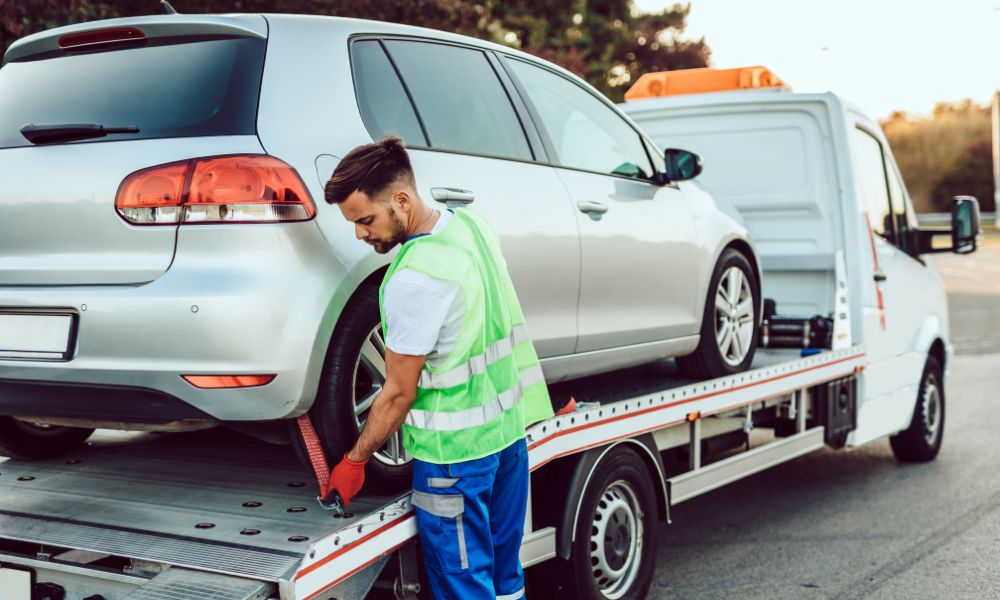
Breakdowns carrying multiple passengers create problems that single-driver events do not. A roadside assistance operator at these scenes recovers the vehicle and ensures all passengers reach a safe area or continue their journey. Passengers with disabilities and children need different handling than adults who can arrange their own travel. Service providers follow set procedures that address passenger welfare alongside the mechanical fault.
Passenger assessment
- The operator arriving at a multi-passenger breakdown conducts a head count and spots any passengers needing extra support before checking the vehicle. Young children travelling without another adult, elderly passengers with limited mobility, and anyone with a disclosed medical condition are noted during this first contact. This shapes the recovery plan and determines what extra support gets arranged before the vehicle leaves the scene.
- The roadside is removed from passengers during the recovery process. It is necessary for everyone to move behind barriers or to take shelter away from traffic flow when travelling along highways and busy roads. The operator confirms all passengers are accounted for before rigging or loading gear is set up around the vehicle. No equipment gets deployed while passengers remain in the danger zone.
- Children under a set age cannot be left alone during a breakdown. Operators do not transport children in the tow truck cab as this breaks child restraint regulations in most places. A parent or guardian travelling with the child must arrange for them to travel in a properly fitted vehicle with age-correct restraints installed and working.
Transport coordination
- Passengers continuing to the original destination need transport arranged before the vehicle is towed. Some roadside plans include passenger relocation as standard service up to a set distance or cost cap. The operator contacts a taxi service or rideshare provider on behalf of the driver and confirms the pickup spot and estimated arrival time before leaving. Plans without passenger relocation coverage leave this task to the vehicle driver.
- Passengers with medical conditions disclosed during the initial check receive priority in onward travel plans. Dialysis patients, people needing regular medication, and anyone with time-bound medical appointments are moved to the front of the coordination queue. The operator relays this to dispatch, who allocates resources to get these passengers moving before addressing general passenger transport needs.
- Passengers experiencing a medical emergency during the breakdown trigger a separate procedure. The operator calls emergency services immediately and provides first aid where trained to do so. Vehicle recovery is suspended until the medical situation is resolved and emergency personnel clear the scene. The vehicle waits. The medical event takes priority over every other consideration at that moment.
Luggage documentation procedures
- Leaving a vehicle before it is towed requires passengers to transfer their luggage and personal belongings to another vehicle. Passengers are given time to collect their bags, child gear, and valuables before the vehicle is towed.
- Items left in the vehicle are documented, photographed, and noted on the job sheet to prevent disputes about missing property after the vehicle reaches the storage or repair facility. Every bag, every piece of child equipment, every visible item of value gets recorded. This protects the operator from theft claims and gives the vehicle owner proof of what was present.
- The job sheet lists passenger count, ages of any children present, medical conditions disclosed, transport arranged, and luggage transferred. This becomes the official record if questions arise later. Insurance claims and customer complaints all reference this document.
Multi-passenger breakdowns require passenger assessment, safe relocation, transport coordination, medical priorities, and luggage documentation. Operators handling all these elements deliver complete service addressing passenger welfare alongside vehicle recovery.