
You want your pet to stay safe. Early disease detection makes that possible. An animal hospital gives you more than treatment. It gives you warning signs before sickness grows. Routine exams, blood tests, and simple questions about behavior can uncover problems you cannot see. That includes heart disease, diabetes, infections, and some cancers. Early care often means less pain, fewer emergencies, and lower long-term costs. It also gives you more time to plan. You do not have to wait for a crisis. You can ask direct questions, review test results, and choose care that fits your pet and your family. If you visit an animal hospital in Sudbury or any other town, the goal stays the same. Catch silent disease early. Protect daily comfort. Support a longer life. This blog explains how animal hospitals do that and how you can help.
Why early detection protects your pet
Many diseases grow in silence. Your pet may eat, play, and sleep as usual while hidden damage starts. You may not see a clear change until the disease is advanced. By then, treatment can be harder and more costly. Early detection breaks that pattern. It finds problems when they are small and easier to manage.
Research shows this clearly. Regular exams and lab tests help vets find kidney disease, heart problems, and cancer in earlier stages. You can read more about early signs of disease in pets from the American Veterinary Medical Association. The message is simple. Waiting for obvious signs puts your pet at risk. Acting early gives your pet a stronger chance.
What happens during a routine visit
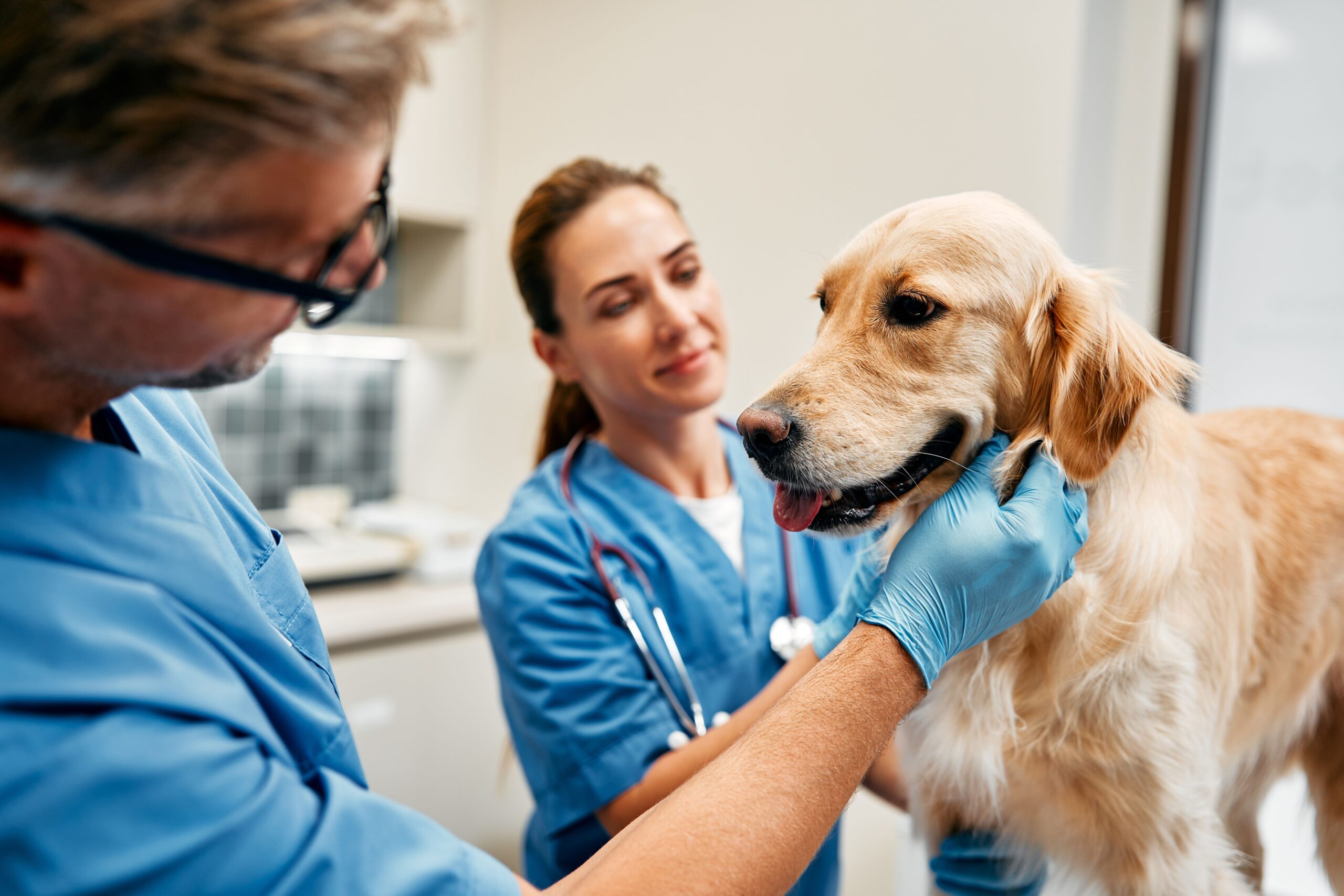
Routine visits are not just quick shots. They are full checks of your pet’s body and behavior. Each part of the visit helps uncover a quiet disease.
You can expect three main steps.
- Questions about history and behavior
- Physical exam from nose to tail
- Screening tests when needed
First, the vet asks about eating, drinking, bathroom habits, sleep, mood, and movement. Small changes matter. A little more thirst. A few extra accidents in the house. Shorter walks. Each detail can point to early disease.
Next, the vet checks eyes, ears, mouth, skin, heart, lungs, belly, and joints. The vet listens and feels for lumps, pain, or fluid. Many heart murmurs, tumors, and joint issues show up here before you notice anything at home.
Finally, the vet may suggest tests. Common tests include blood work, urine tests, and stool checks. These can show kidney strain, liver trouble, diabetes, infection, and parasites long before outward signs appear.
How common diseases show up early
Some diseases appear again and again in animal hospitals. Early patterns are clear. Learning them helps you know why visits and tests matter.
|
Disease |
Early signs you might miss at home |
What the animal hospital checks |
|---|---|---|
|
Kidney disease |
Slight extra drinking and urination |
Blood and urine tests for kidney values |
|
Diabetes |
Small weight loss and more thirst |
Blood sugar and urine sugar tests |
|
Heart disease |
Mild tiredness on walks |
Heart sounds, X-rays, and heart scans |
|
Arthritis |
Slow rising and reluctance to jump |
Joint exam and sometimes X rays |
|
Cancer |
Tiny lumps or subtle weight change |
Physical exam, imaging, and lab tests |
Each row tells the same story. Early signs are quiet. Hospital checks make them loud.
The role of vaccines and parasite checks
Vaccines and parasite checks are part of early detection. They prevent disease and also reveal hidden risks. When your vet gives vaccines, they review your pet’s age, lifestyle, and contact with other animals. That talk can expose new threats from travel, dog parks, or wildlife.
Parasite tests use small stool or blood samples. These tests can uncover worms, heartworm, and tick-borne infections. These parasites can damage organs long before your pet looks sick. You can learn more about parasite testing from the Centers for Disease Control and Prevention. Quick checks during a routine visit can prevent years of damage.
How often you should visit
Visit schedules depend on age and health. Still, a simple rule of three helps.
- Puppies and kittens. Every few weeks until vaccines finish.
- Healthy adult pets. At least once a year.
- Senior pets or pets with chronic disease. Two or more times a year.
Age brings faster change. Older pets can slide from mild to severe disease in a few months. More frequent checks catch this rise early. If your pet has known issues, such as kidney disease or heart trouble, the vet may suggest blood work and exams more often. Follow that plan. It protects your pet from crisis.
What you can watch for at home
Animal hospitals cannot see your pet every day. You are the daily observer. Your notes fill in the gaps between visits. You can support early detection by watching three simple things.
- Eating and drinking patterns
- Bathroom habits and stool quality
- Energy, movement, and mood
Write down any change, even if it seems small. A food bowl that stays full. A water bowl that empties faster. New accidents. Hard stools. Short walks. Hiding. Restlessness. Bring these notes to the hospital. Clear records help the vet find the cause faster and choose the right tests.
How early detection protects your family
Early detection does more than protect your pet. It also guards your family. Some infections in pets can spread to people. Routine exams and parasite checks reduce that risk. Healthy pets mean a safer home for children, older adults, and people with weak immune systems.
Financial stress also eases with early care. A planned blood test and exam cost far less than an emergency overnight stay. When the disease is caught early, treatment often needs fewer drugs, fewer hospital days, and fewer urgent visits. You gain more control over your budget and your schedule.
Taking the next step
You do not need to wait for a problem. You can call your local animal hospital and schedule a routine exam. You can bring a written list of questions and notes about your pet’s habits. You can ask what screening tests fit your pet’s age and risk.
Early detection is simple. Show up. Share what you see. Say yes to tests that match your pet’s needs. Each step gives your pet a stronger chance at a long, comfortable life and gives your family quieter, steadier years together.